1 hr 30 min
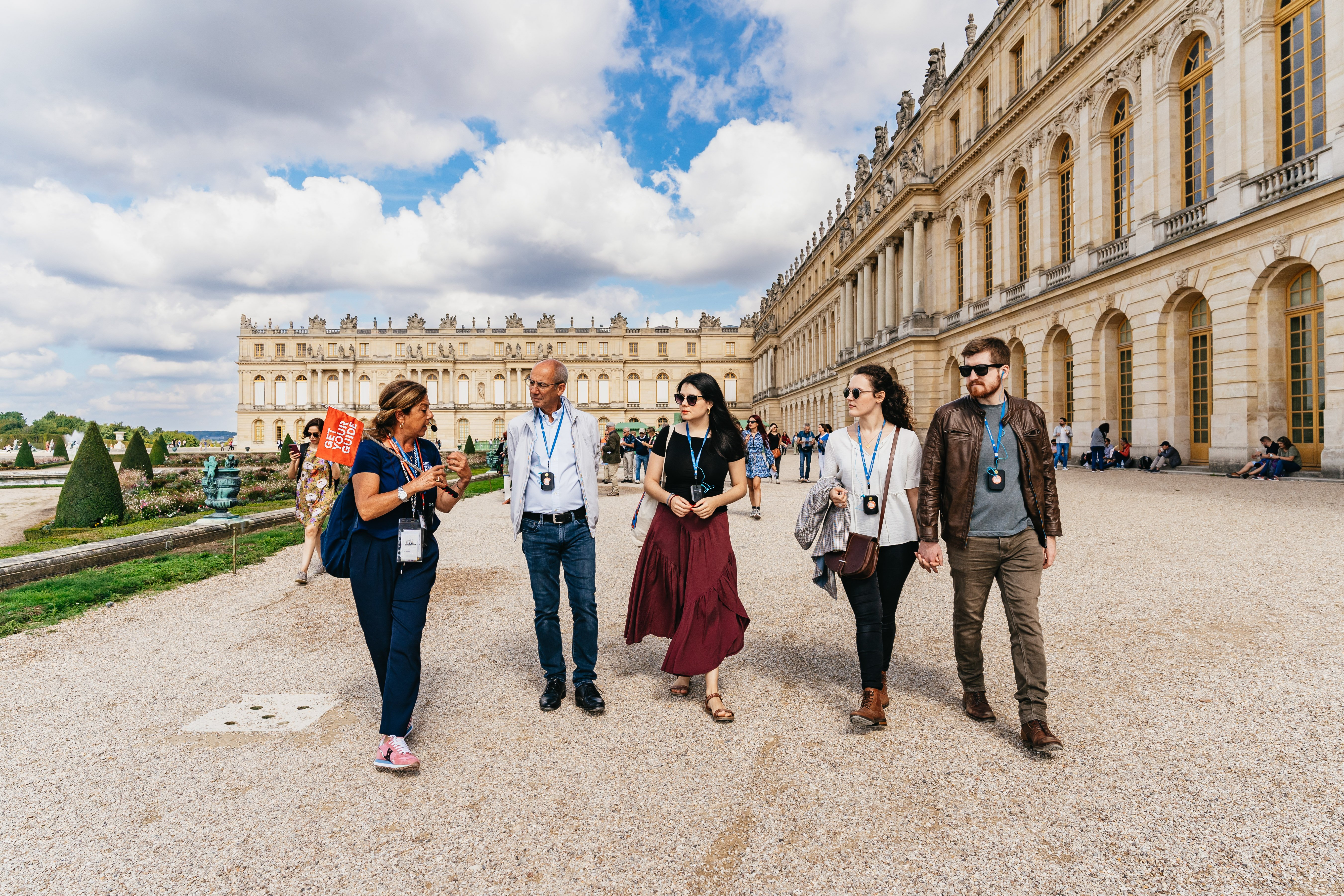
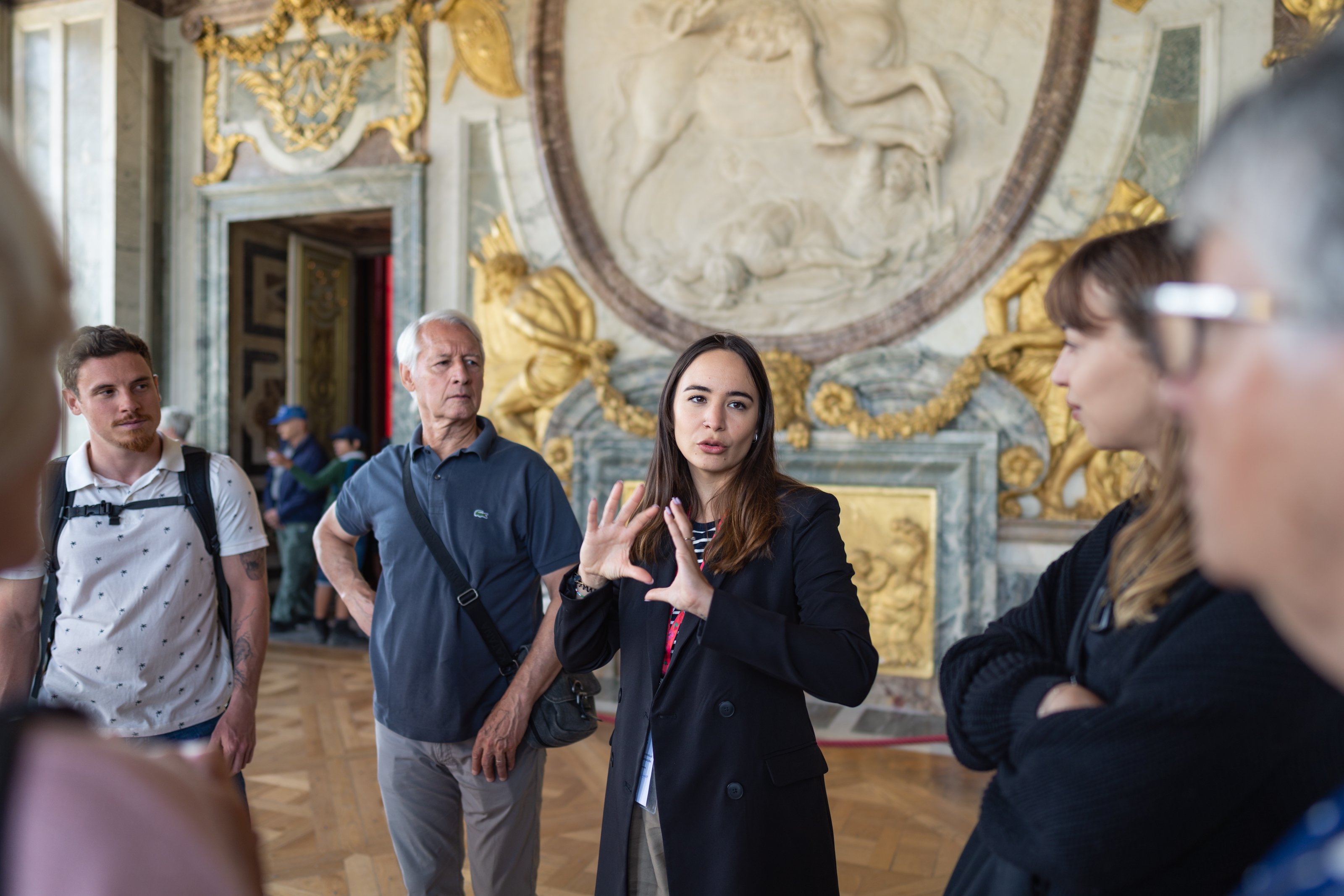
Versailles Palace and Gardens Guided Tour with Priority Entry
- Expert local guide
- Small group
- Skip-the-line access
- Free cancellation
Tour to Versailles from Paris — Reserved Entry & Guided Options
Walk Louis XIV's halls, gardens stretching to the horizon
Compare fares, pick the fit — all bookings are mobile-voucher and eligible for free cancellation where shown.
1 hr 30 min
5 hr 30 min
1 hr 30 min
Picking a tour to Versailles from Paris starts with the château's own ticket tiers: Palace-only access versus the full Passport covering the Gardens, Trianon estate, and Marie-Antoinette's domain, plus a choice between guided entry and independent visits.
| Palace Ticket (Self-guided, Palace only) |
Top pick Passport Ticket (Skip-the-line, full estate) |
Guided Palace Tour (Guide-led, priority entry) | |
|---|---|---|---|
| Areas included | State Apartments, Hall of Mirrors | Palace + Gardens, Trianon, Marie-Antoinette's Estate | State Apartments, Hall of Mirrors |
| Access method | Timed entry slot | Timed entry slot, skip-the-line lane | Guided group entry, skip-the-line |
| Gardens and Trianon | — | — | |
| Wait time | Moderate at security and entry | Shortest via priority lane | Shortest, guide manages entry |
| What's included | Palace admission and audio guide option | Palace, Gardens, Trianon, estate shuttle not included | Palace admission with live guide narration |
| Flexibility | Choose your own pace inside | Flexible across multiple estate areas | Fixed schedule set by guide |
| Best for | Budget-focused, short visits | First-timers wanting the full Versailles landmarks experience | Visitors wanting context without self-navigating |
| See tickets & prices |
Worth it for history buffs and first-timers
A tour to Versailles from Paris costs 21 EUR for palace admission—a fair price for entry to one of Europe's most opulent royal residences. You get access to the State Apartments, the Hall of Mirrors with its 357 mirrors reflecting French Baroque grandeur, and the King's and Queen's chambers where Louis XIV held court. The palace gardens are free to roam, though the musical fountain shows cost extra. For first-time visitors and anyone interested in French monarchy or 17th-century architecture, the palace ticket delivers measurable value: roughly three hours inside gilded rooms that shaped European politics. Day-trippers often pair Versailles tours with the Trianon estates for a fuller experience. The downsides? Weekday mornings between 09:00–10:30 see the smallest crowds, but midday tour buses pack the galleries shoulder-to-shoulder. If ornate interiors and Sun King symbolism don't appeal, the 21 EUR feels steep for what becomes a shuffle through crowded halls. Skip it if you prefer intimate museums or outdoor Paris landmarks over palatial spectacle.
Bottom line: Tour to Versailles from paris tickets justify the cost if gilded history outweighs your tolerance for crowds.
Hand-picked experiences loved by thousands of travelers
5 hours 30 minutes
Free Cancellation
Escape the capital for a half-day journey to the opulent palace, with fast-track entry and expert commentary.
4 hours 30 minutes
Free Cancellation
Explore Louis XIV's opulent château with priority access, stroll the grand gardens, and enjoy hassle-free train travel.
3 hours
Free Cancellation
Skip ticket lines and ride the train to Louis XIV's legendary palace with an expert guide
4 hours
Free Cancellation
Discover the grandeur of Versailles on a half-day excursion with expert commentary and skip-the-line access
8 hours
Free Cancellation
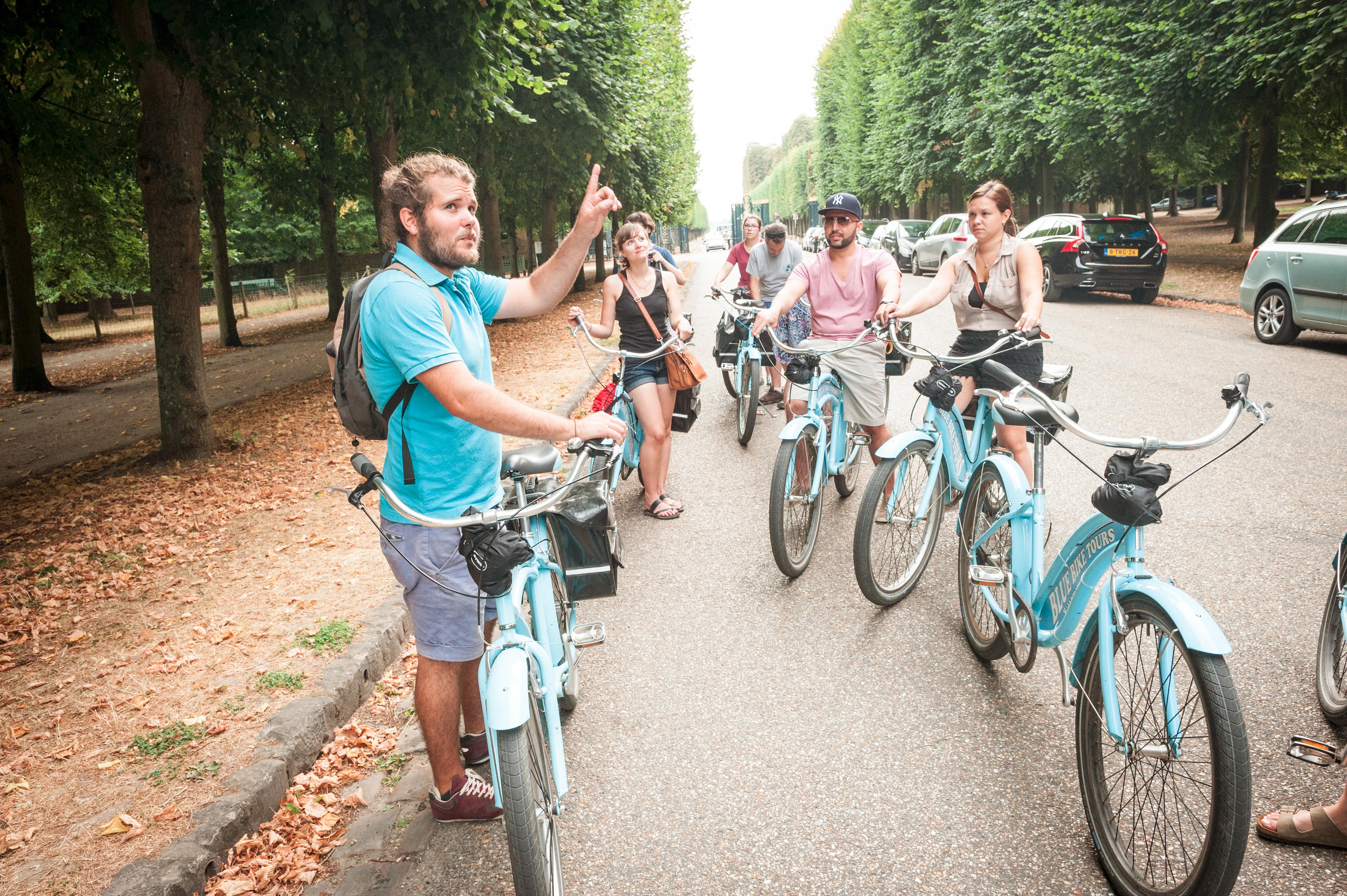
Cycle through royal gardens, skip château lines, and enjoy a Grand Canal picnic on this 8-hour trip.
11 hours 30 minutes
Free Cancellation
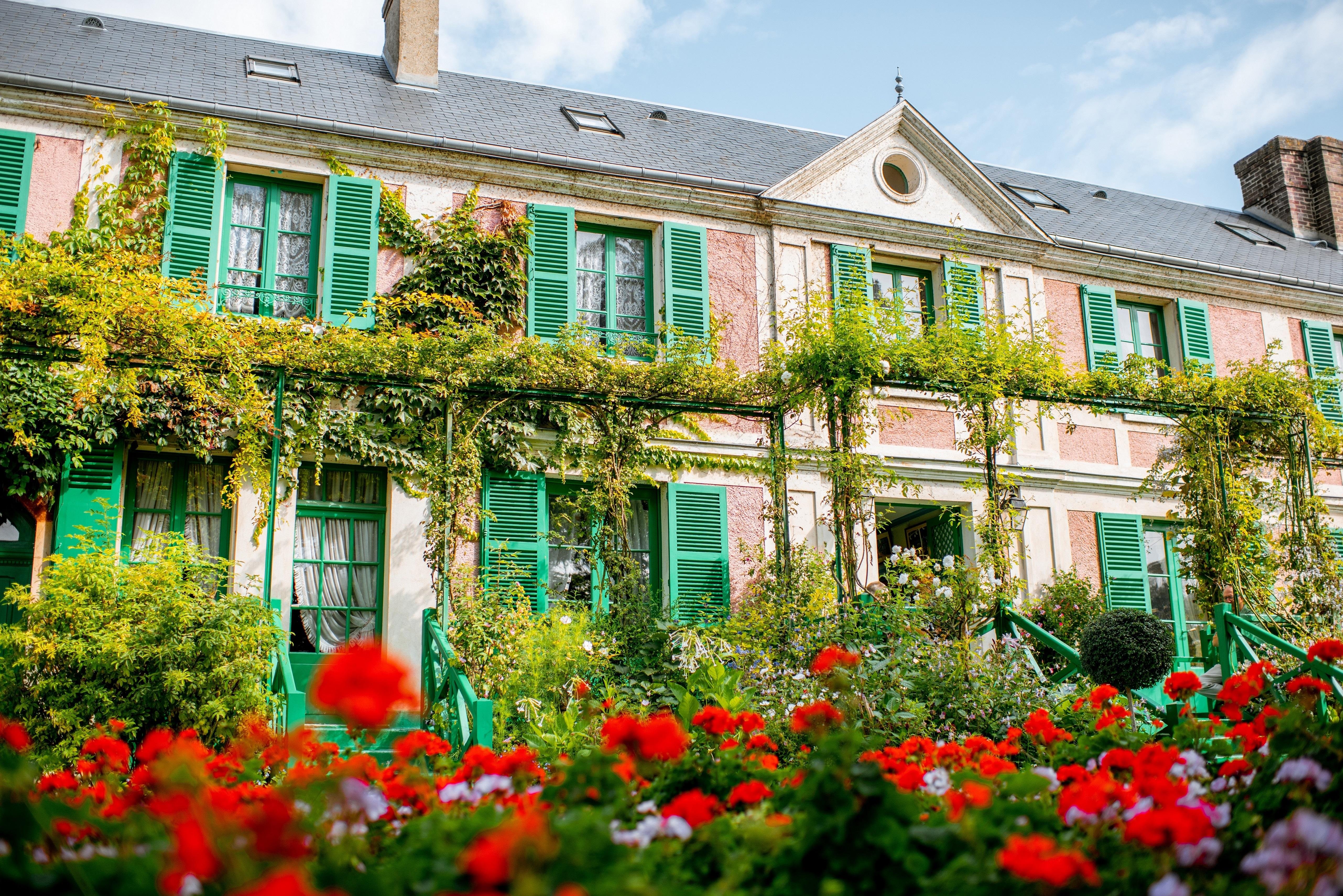
Discover French royal splendor and Impressionist heritage on this guided excursion to two iconic destinations
8 hours
Free Cancellation
Pedal through royal estates, visit Marie-Antoinette's hamlet, and explore the magnificent château
6 hours
Free Cancellation
Explore the opulent chambers and stunning gardens of France's most magnificent royal residence
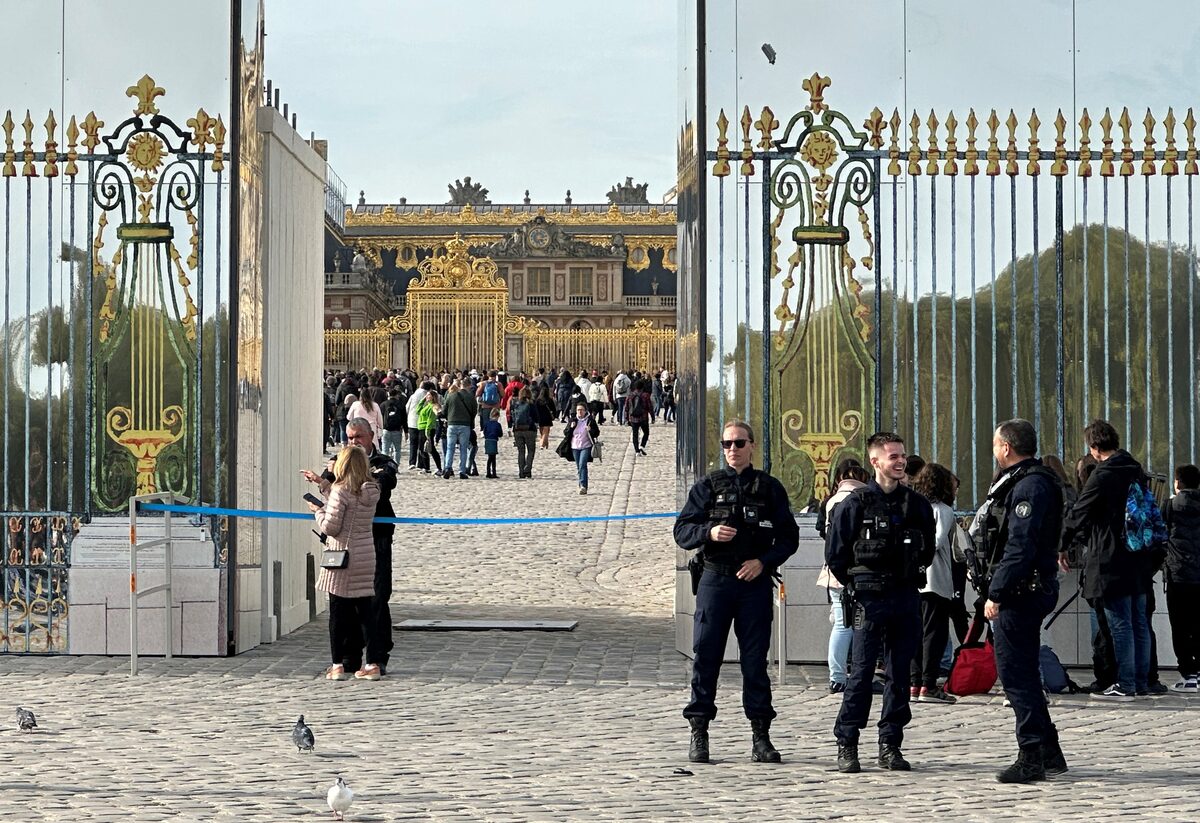
Pass through bag check and ticket control at the main courtyard gate
Walk through the King's and Queen's Apartments toward the Hall of Mirrors
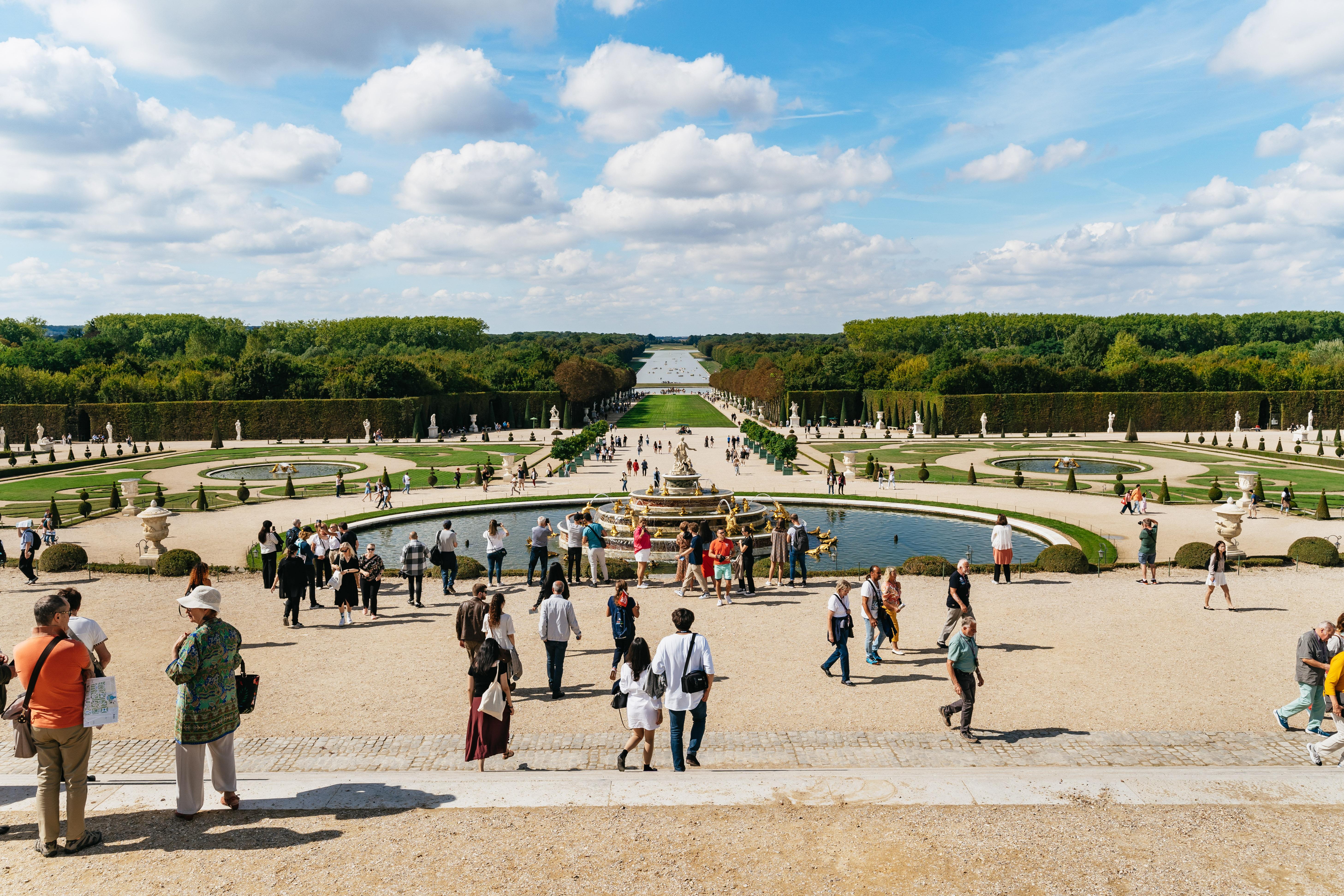
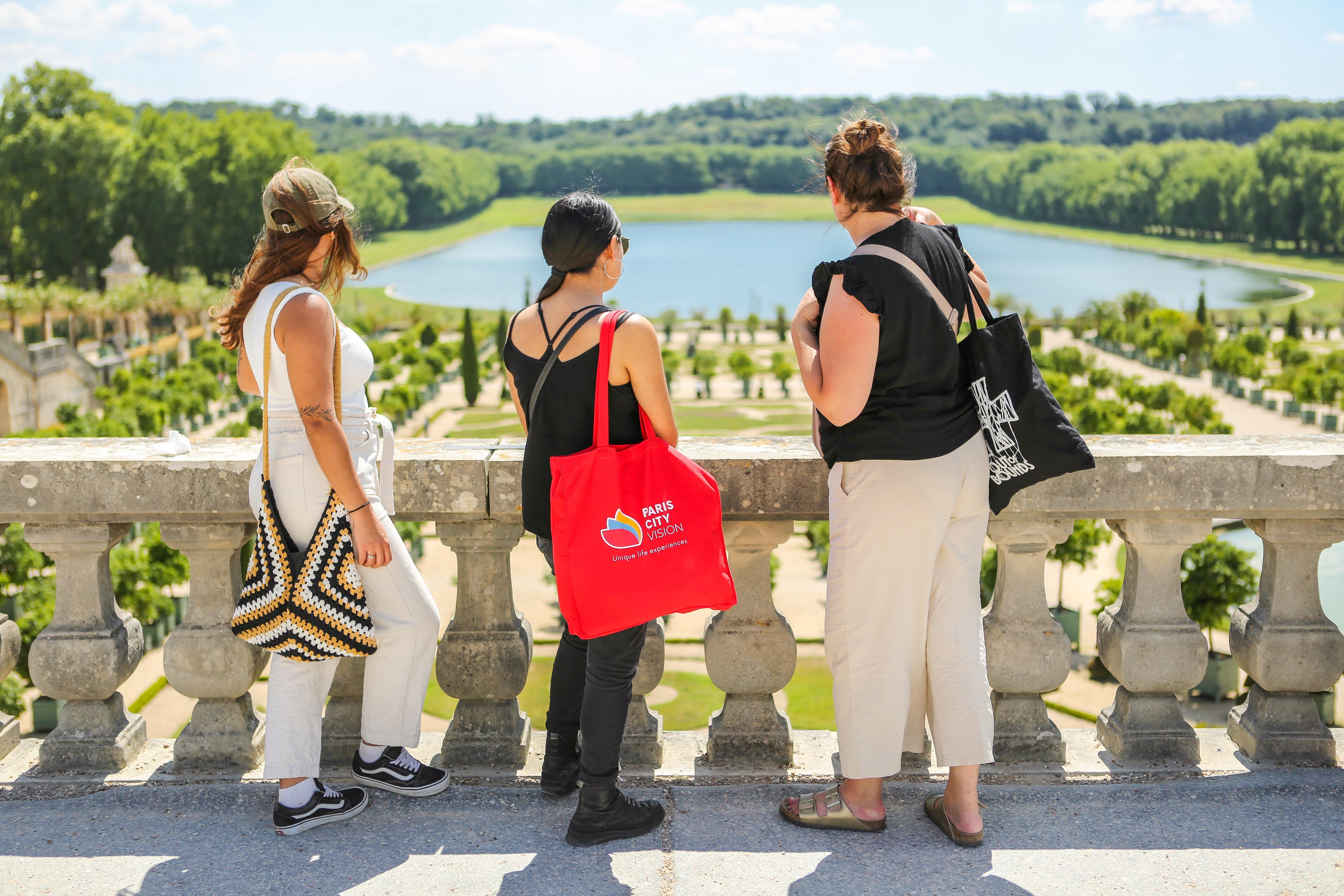
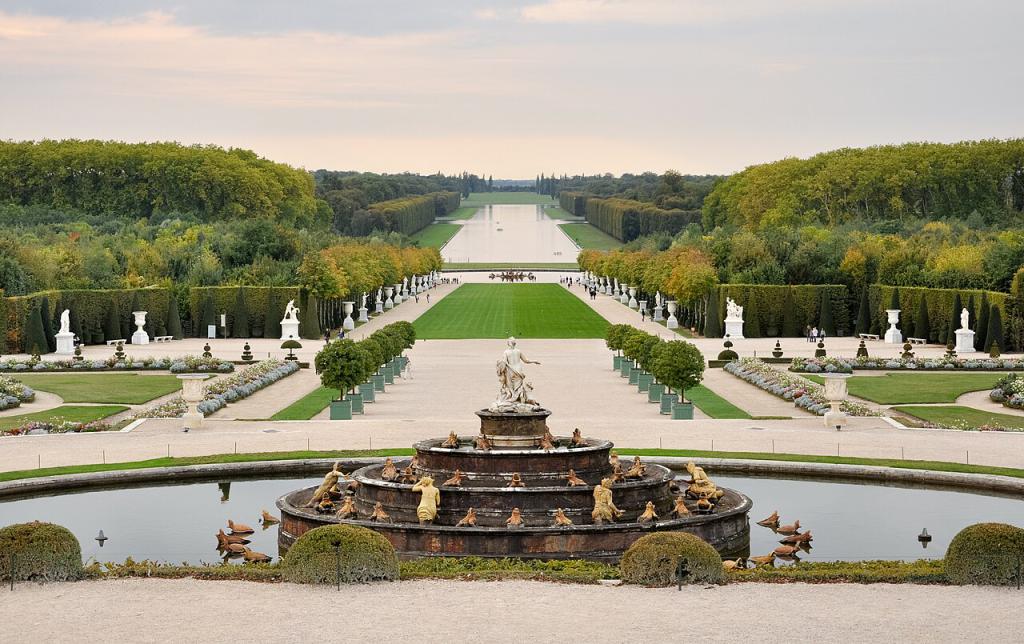
Explore the formal parterres, Latona Fountain, and Grand Canal
Visit the Petit Trianon and Marie-Antoinette's Estate on the northern edge of the park
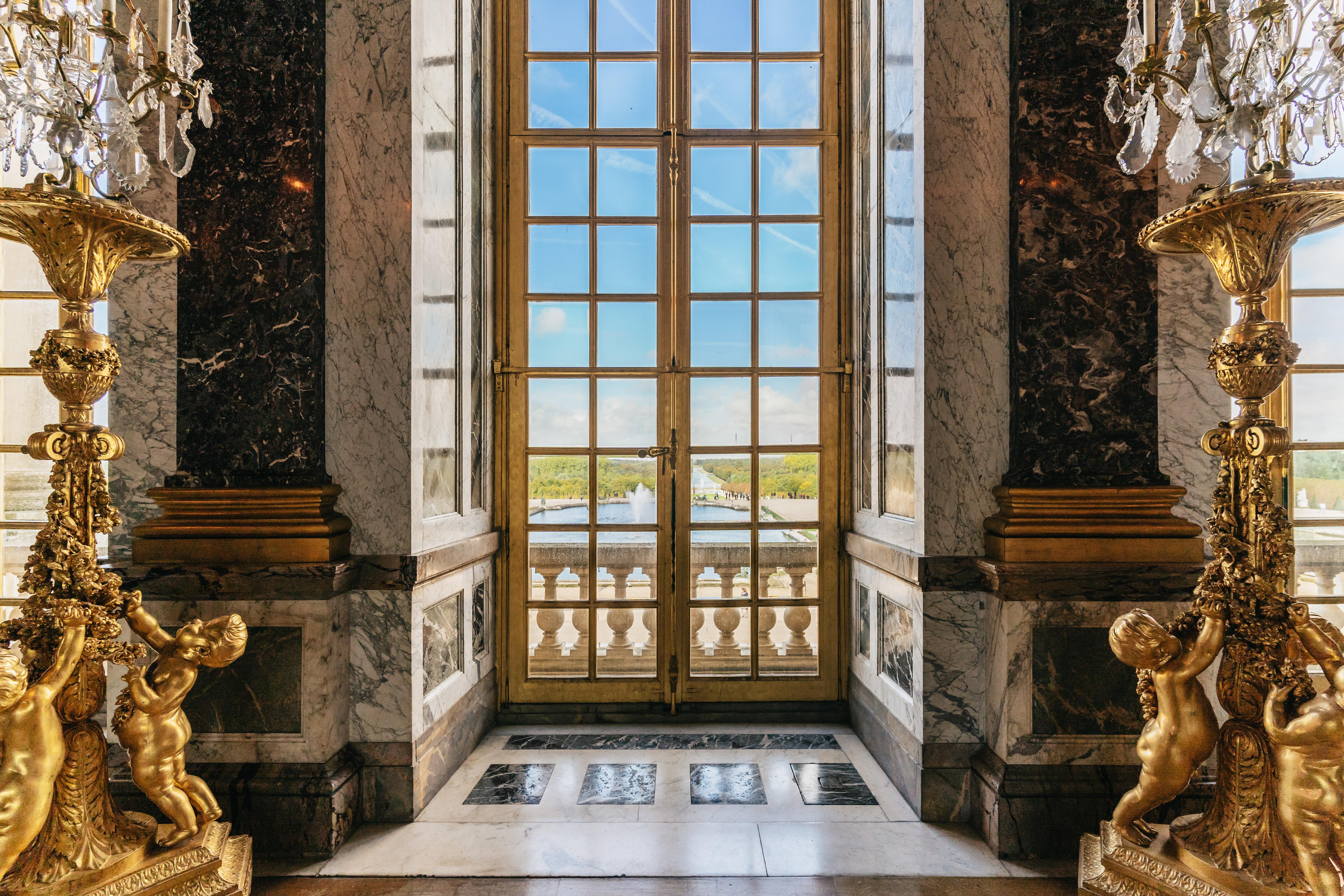
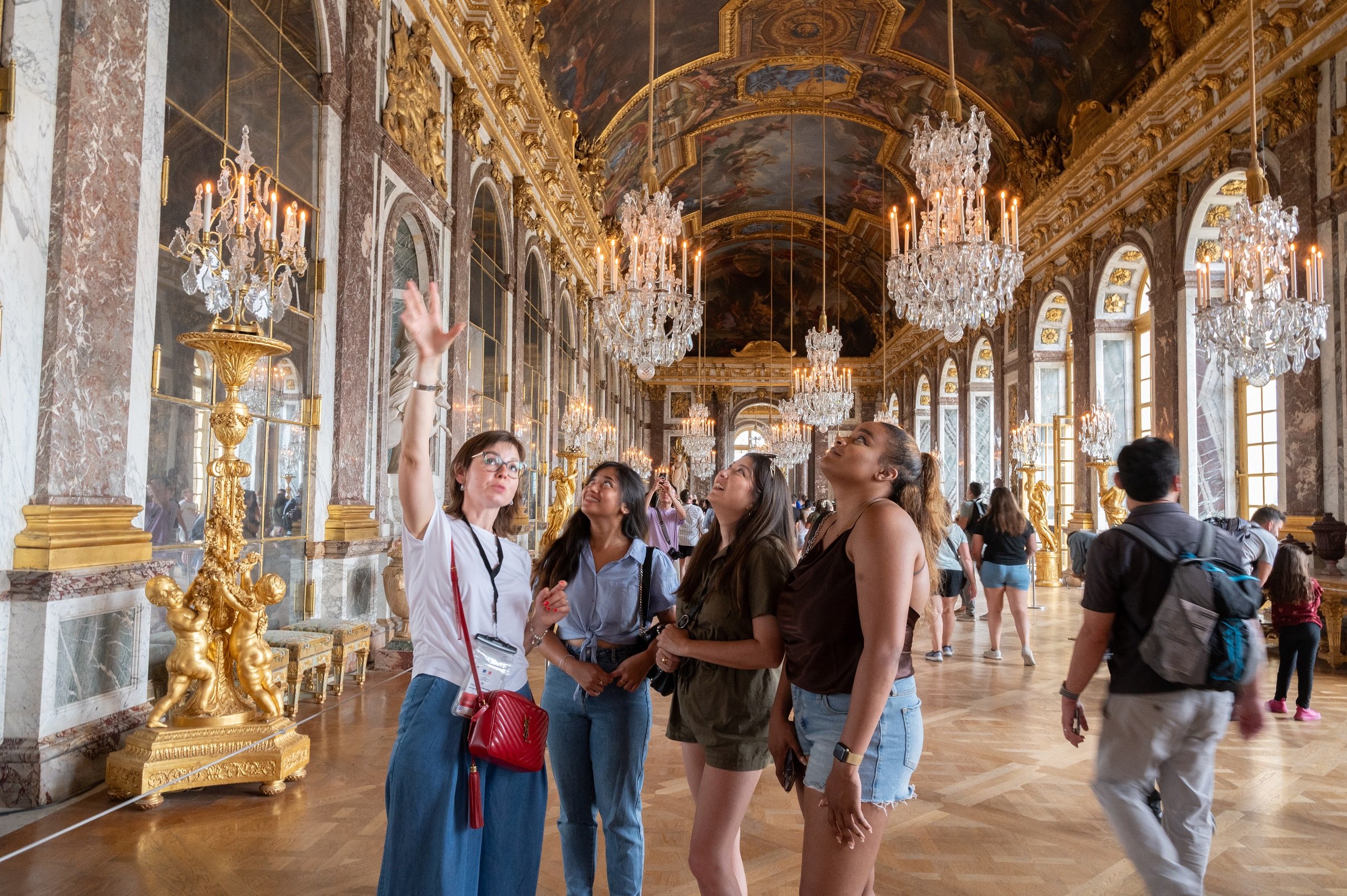
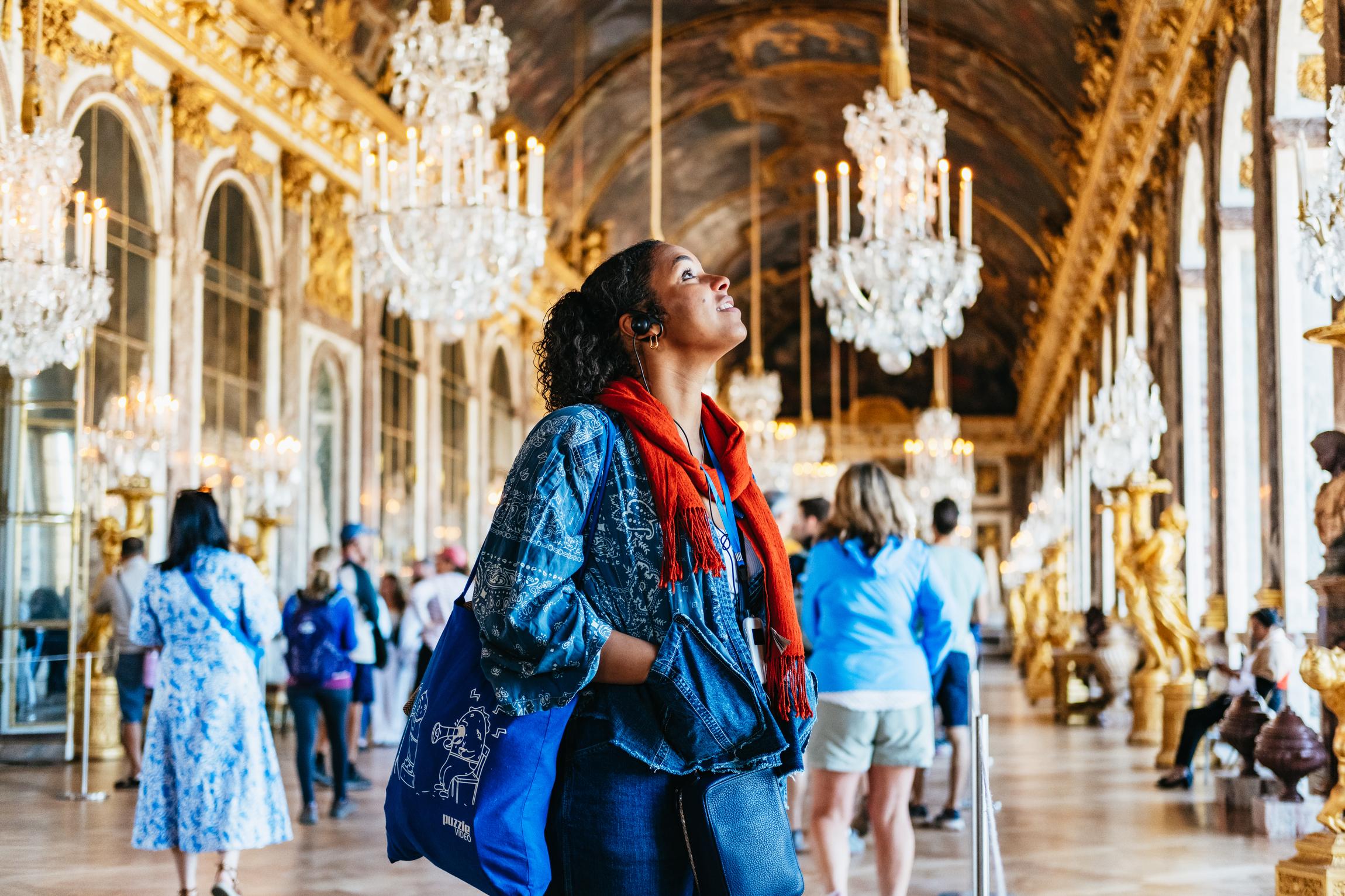
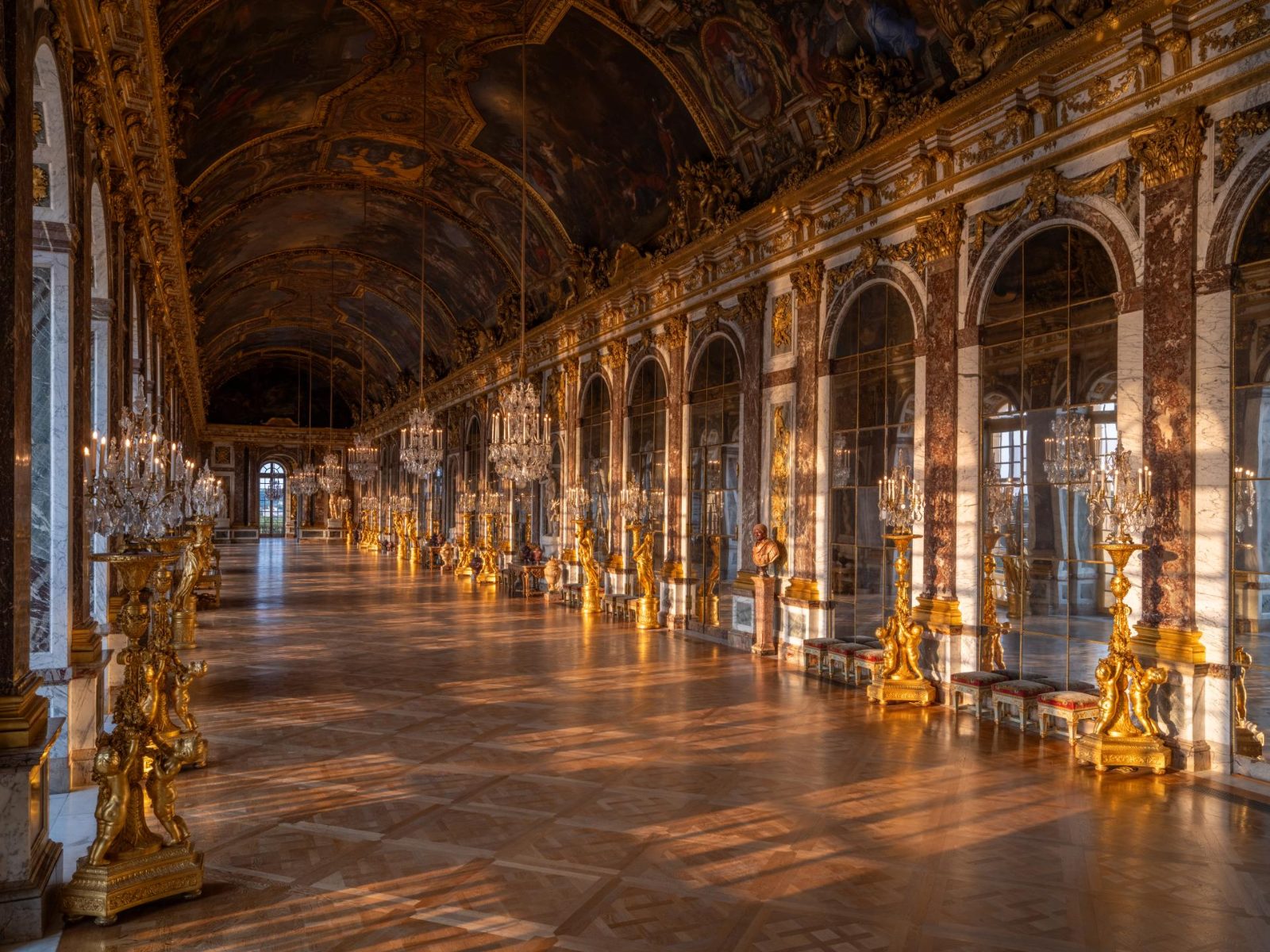
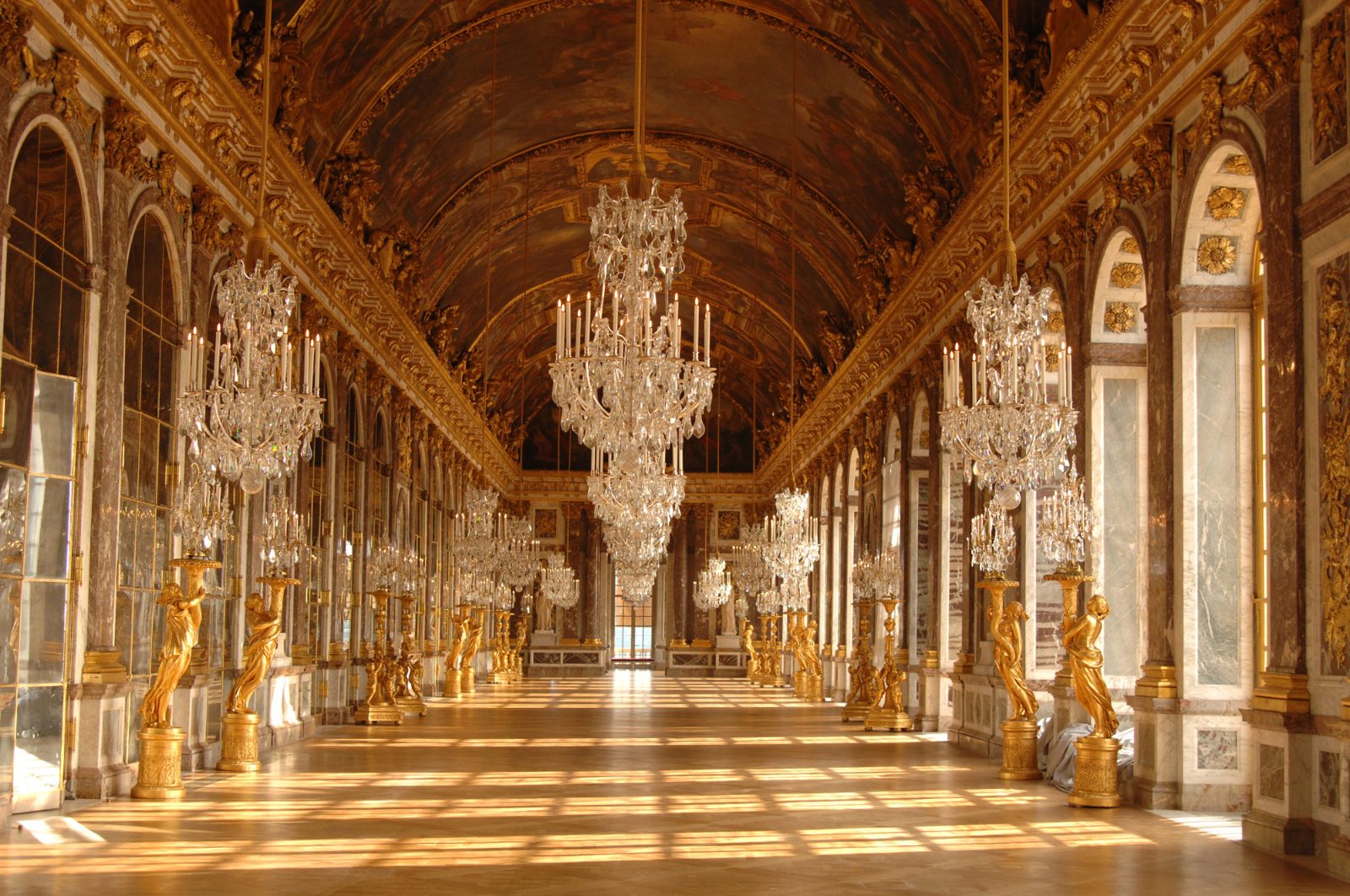
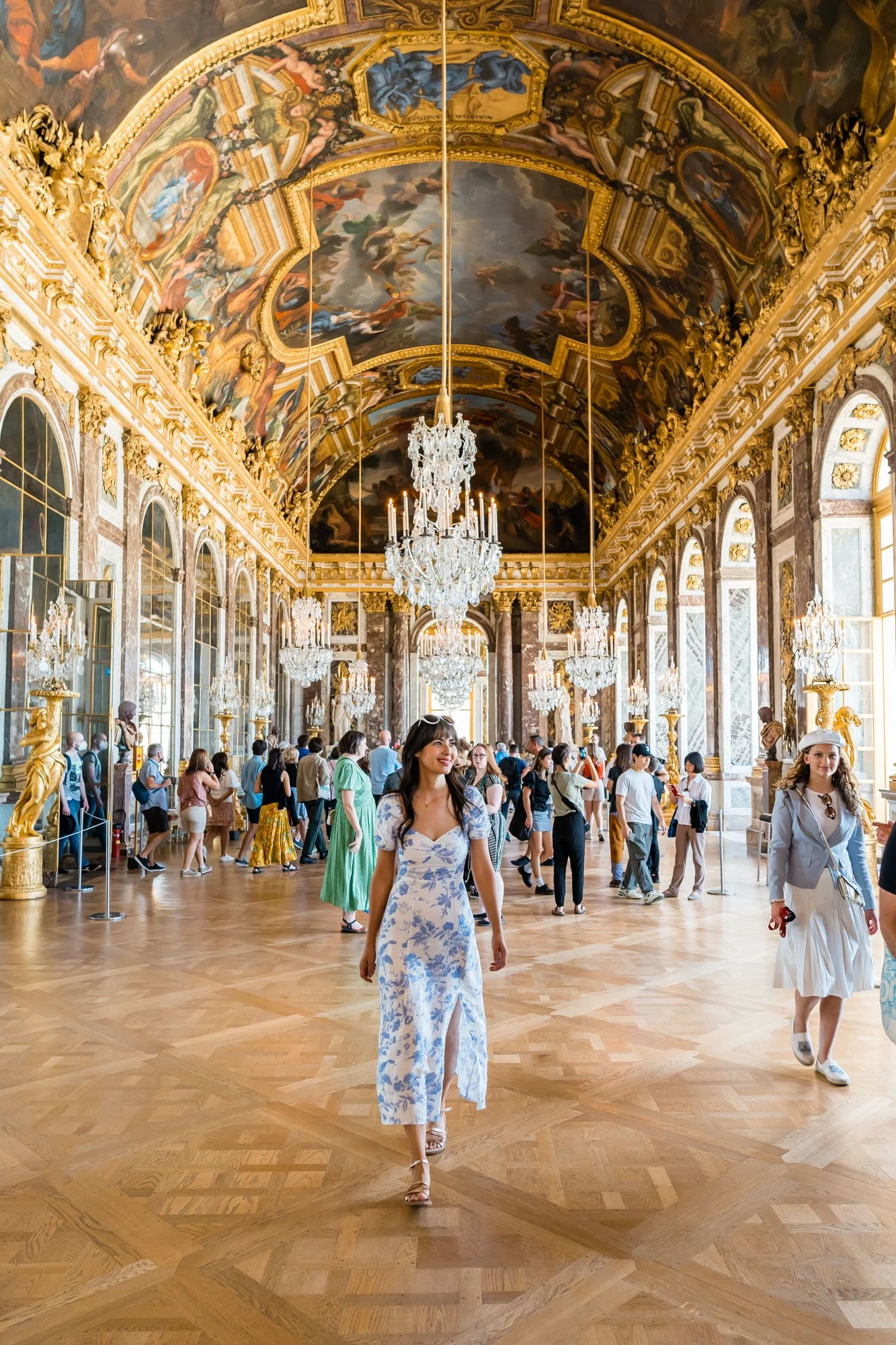
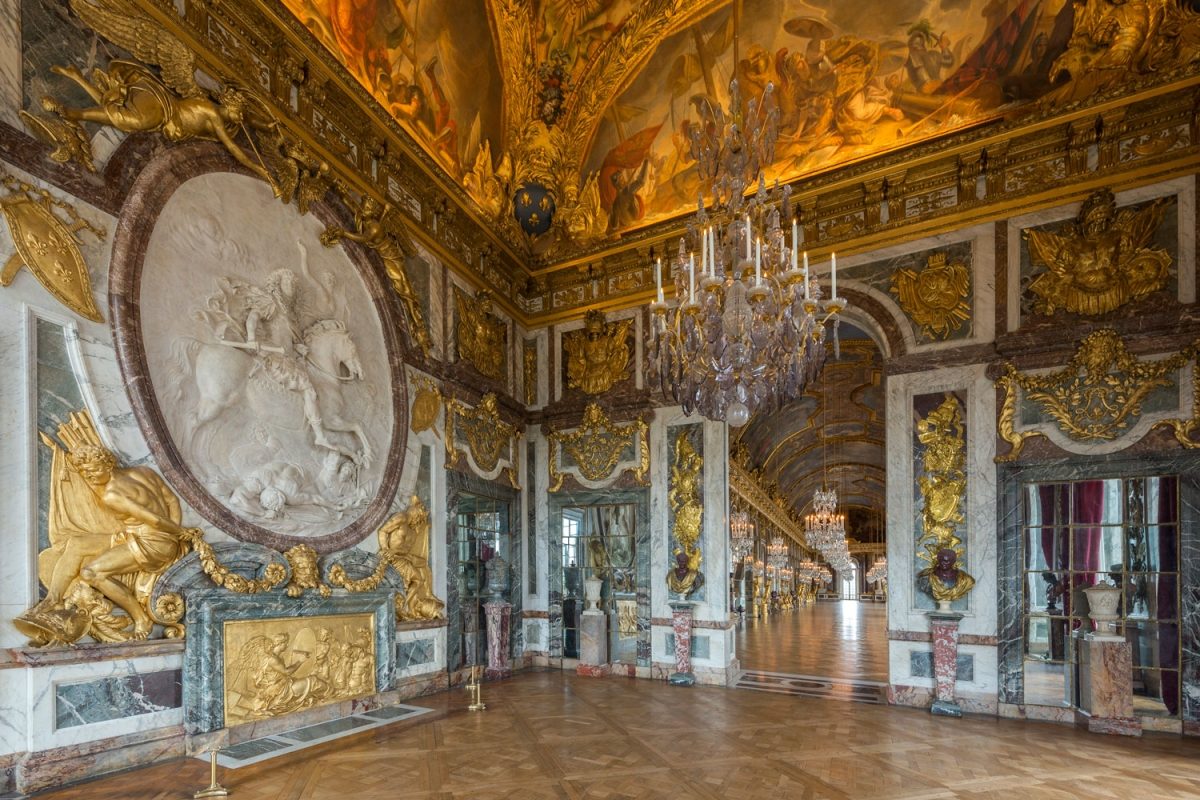
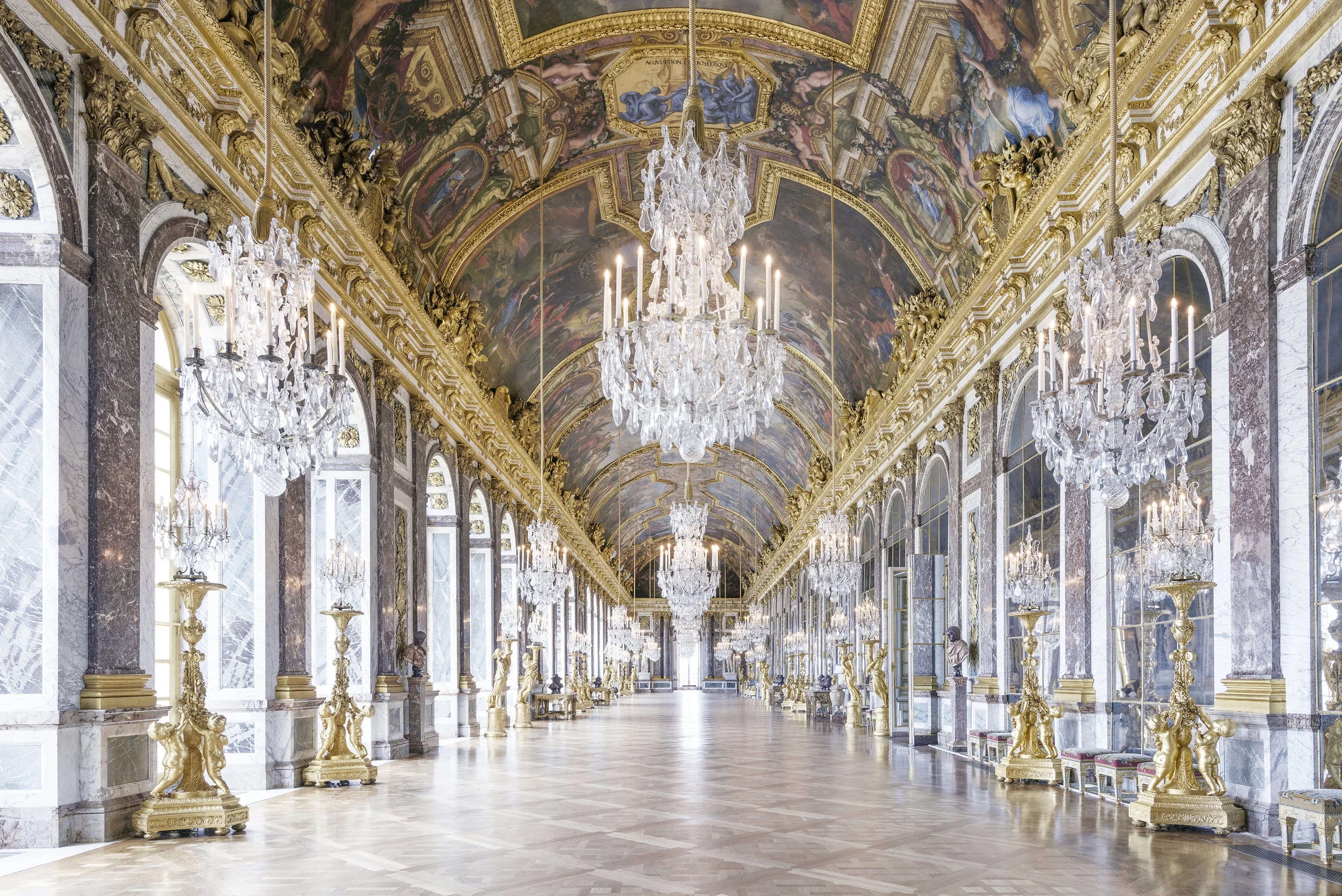
A 73-meter gallery lined with 357 mirrors overlooking the gardens, built to reflect light from seventeen arched windows. It served as the site where the Treaty of Versailles was signed in 1919.
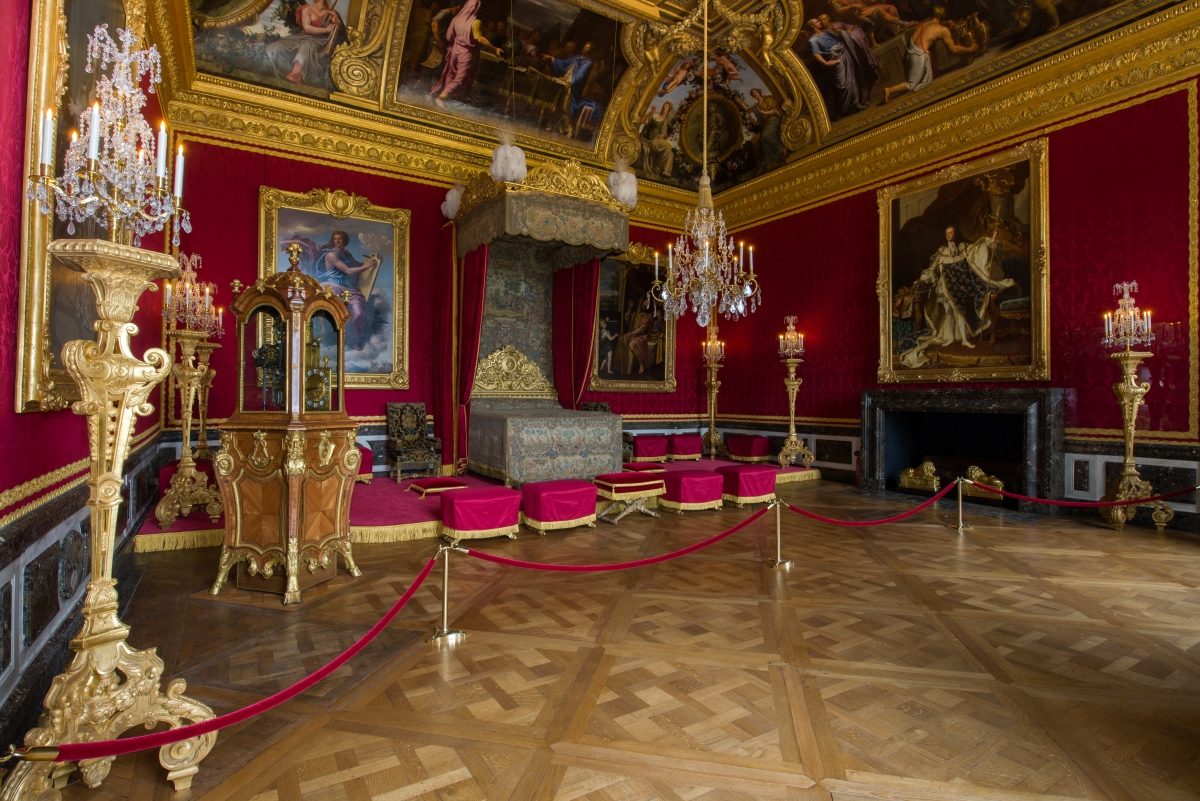
A sequence of seven salons each named for a mythological deity, used for the king's official ceremonies and receptions. The rooms display ceiling paintings depicting Apollo and other classical figures.
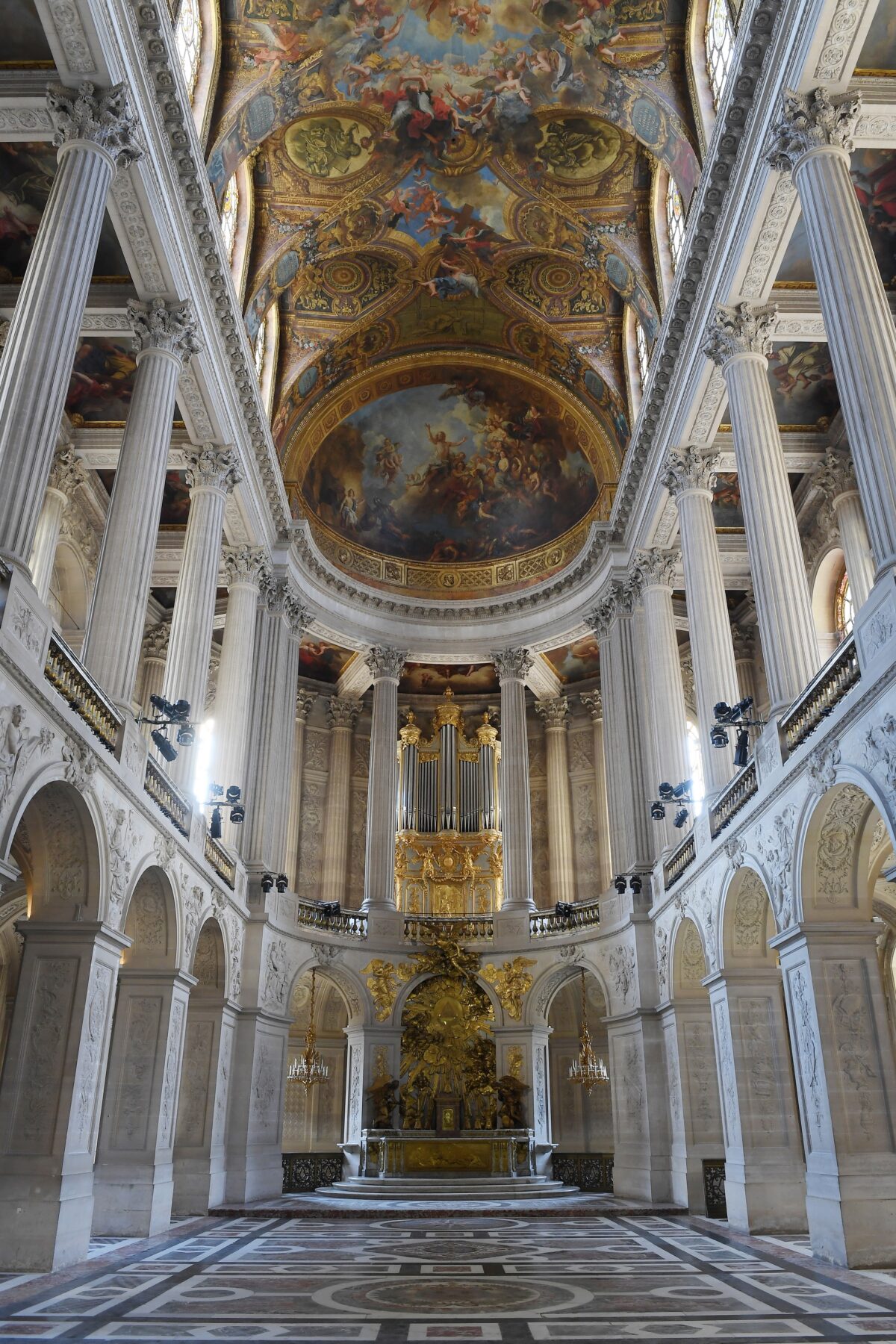
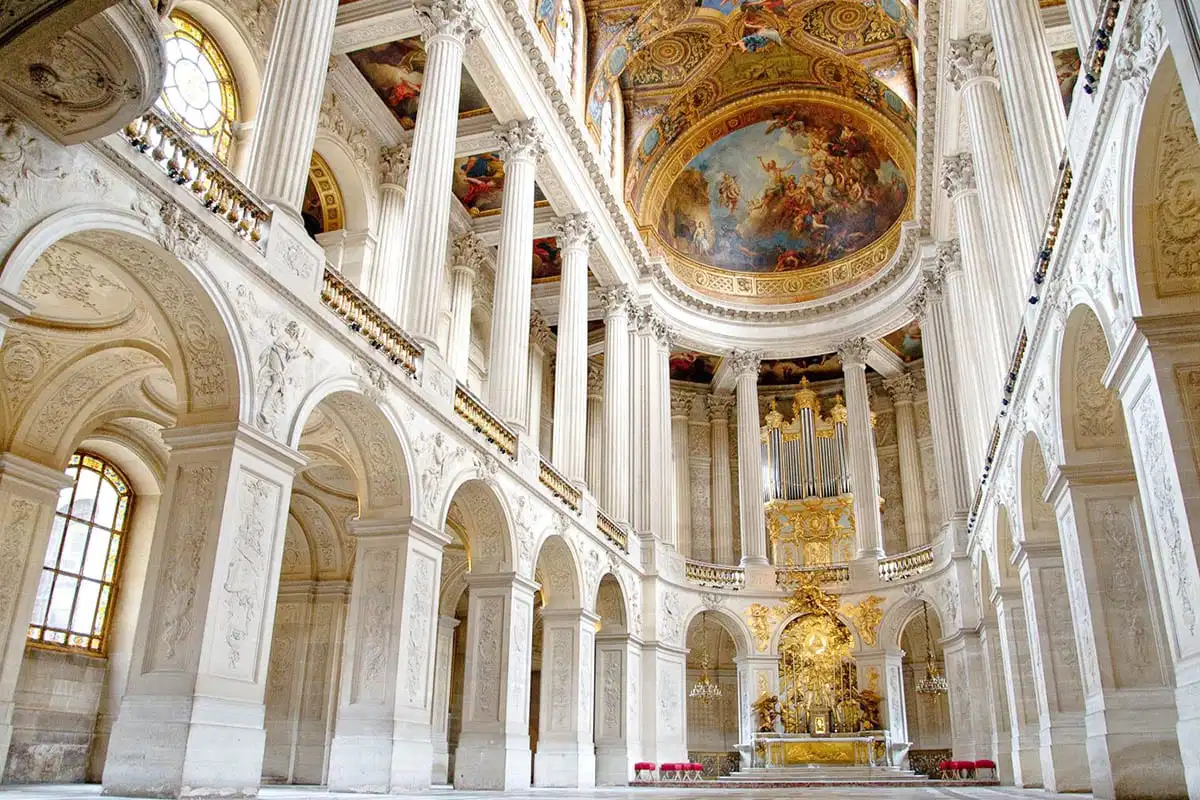
A two-story Baroque chapel completed in 1710, the last major building project under Louis XIV. Its upper gallery was reserved for the royal family during Mass.
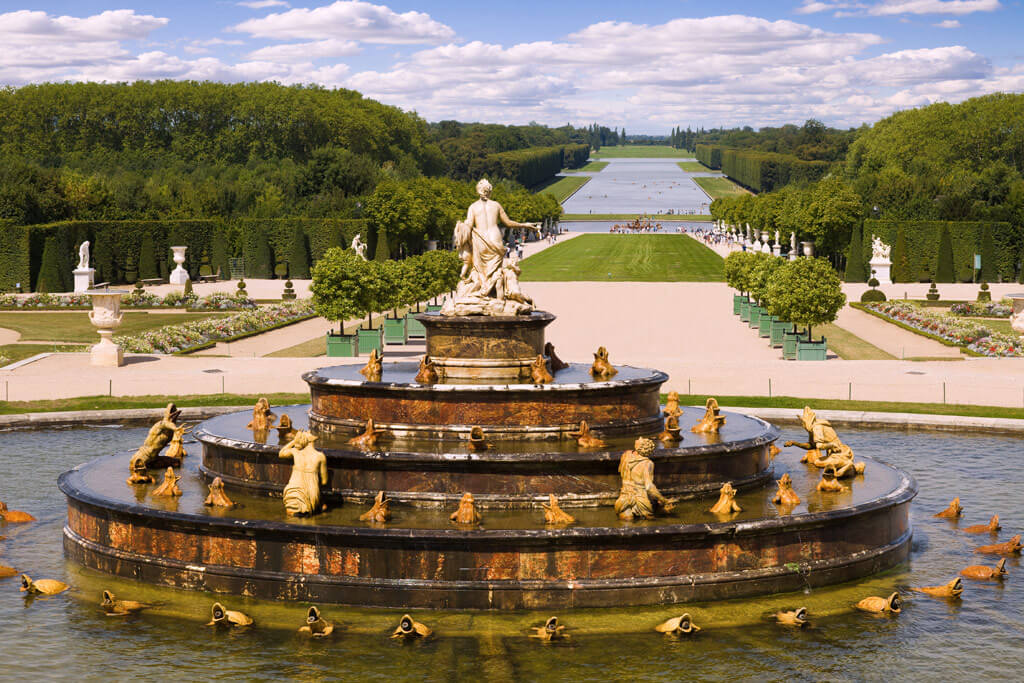
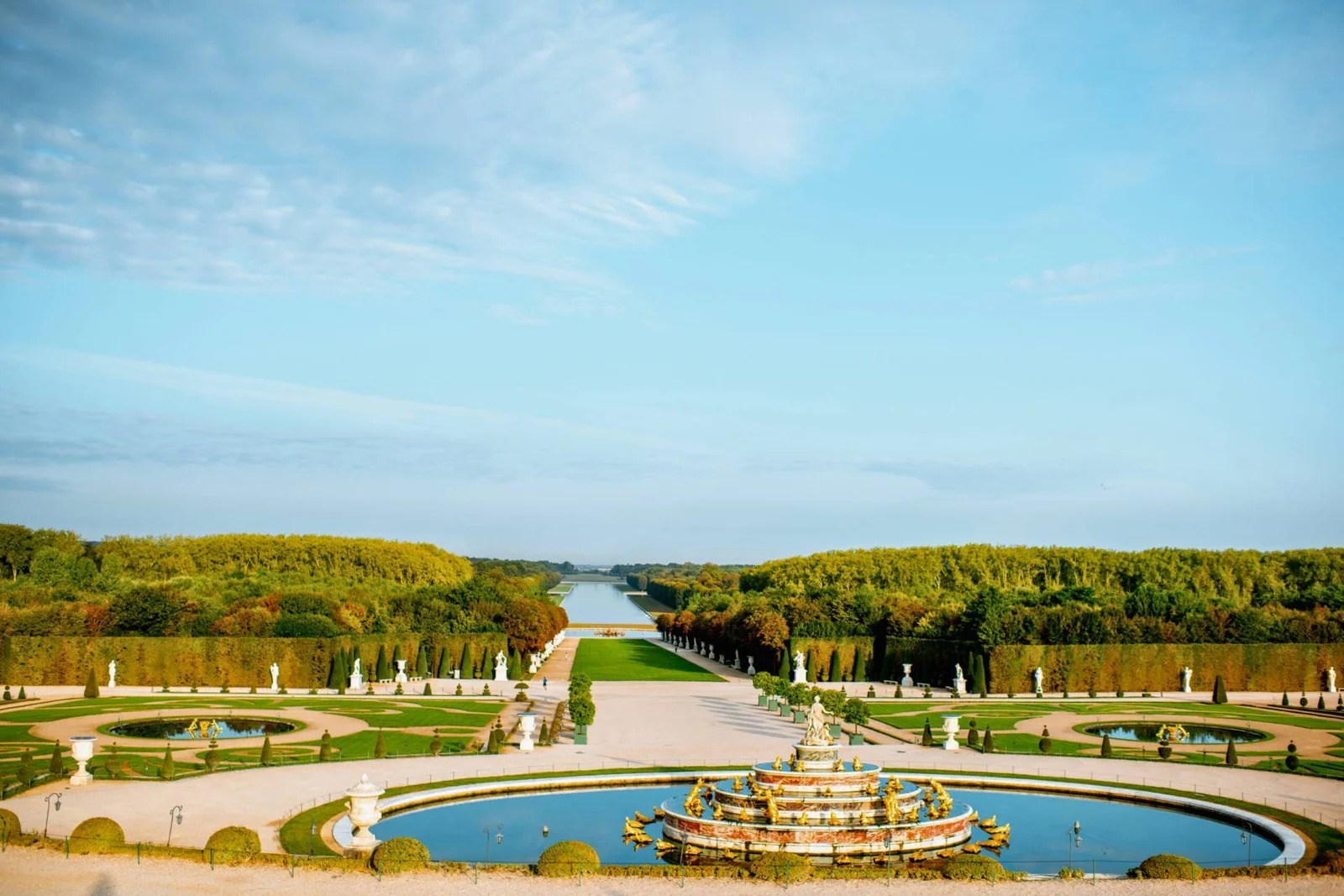
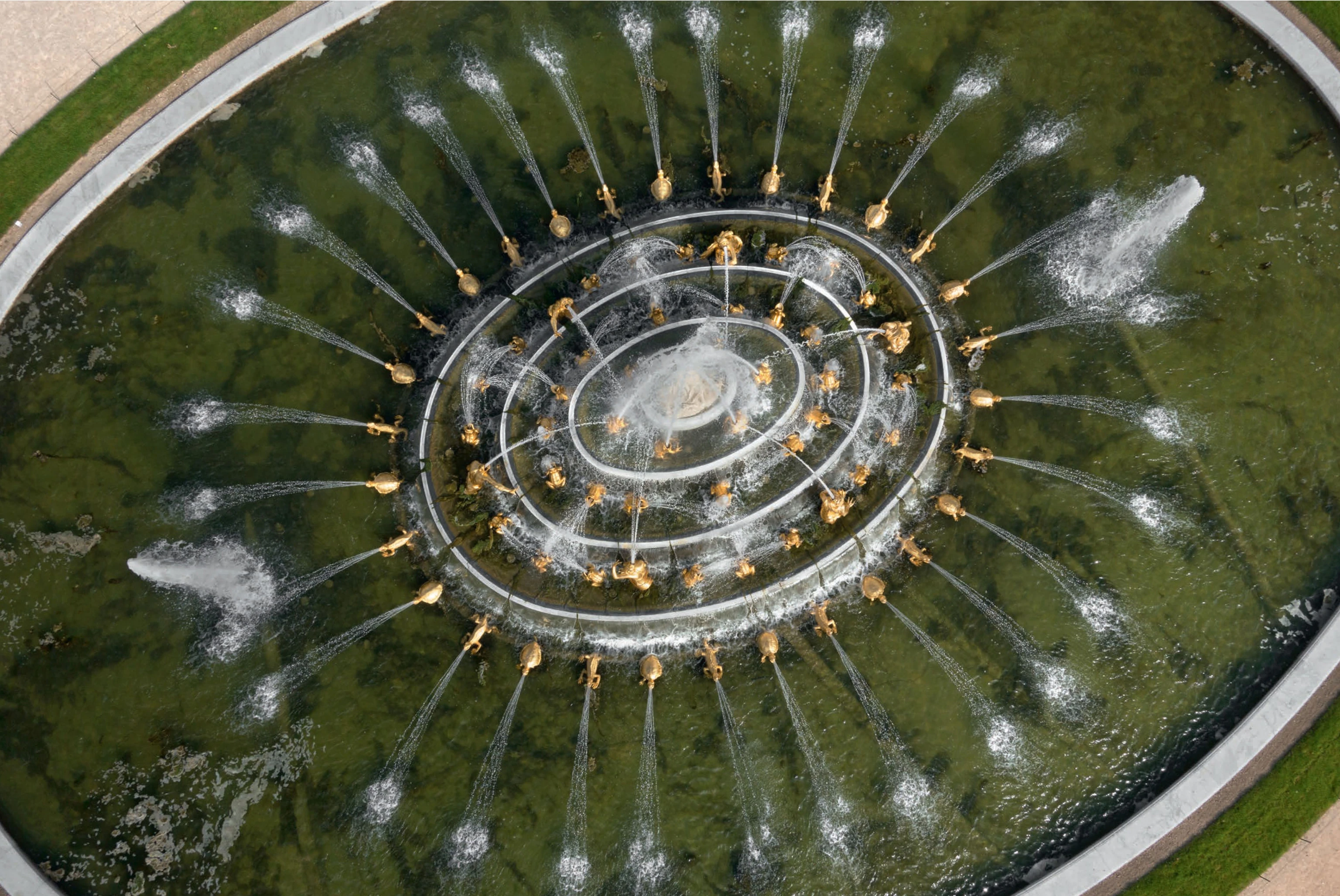
A tiered marble fountain depicting the goddess Latona and her children, positioned along the garden's central axis. Its sculptures illustrate a myth of transformation into frogs and lizards.
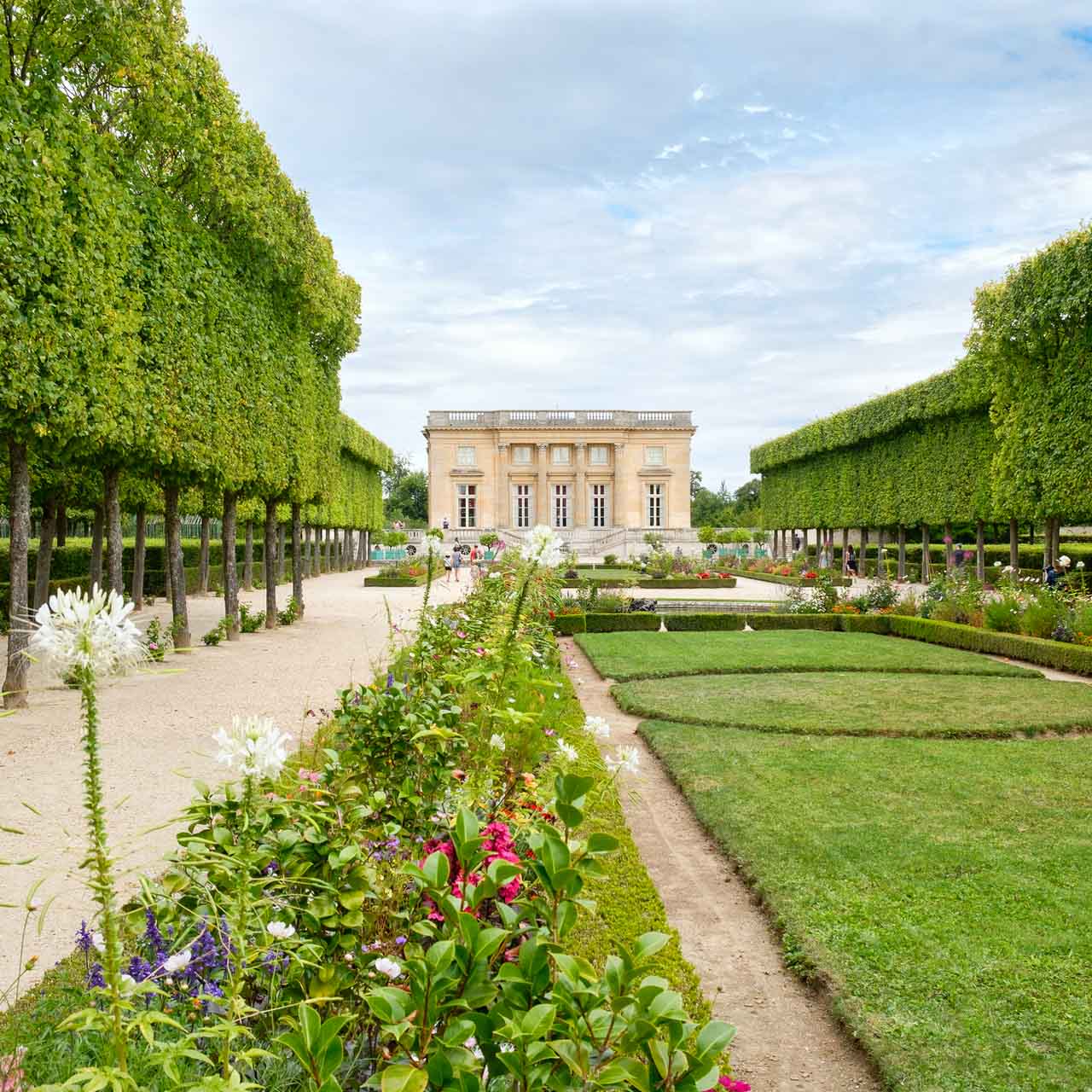
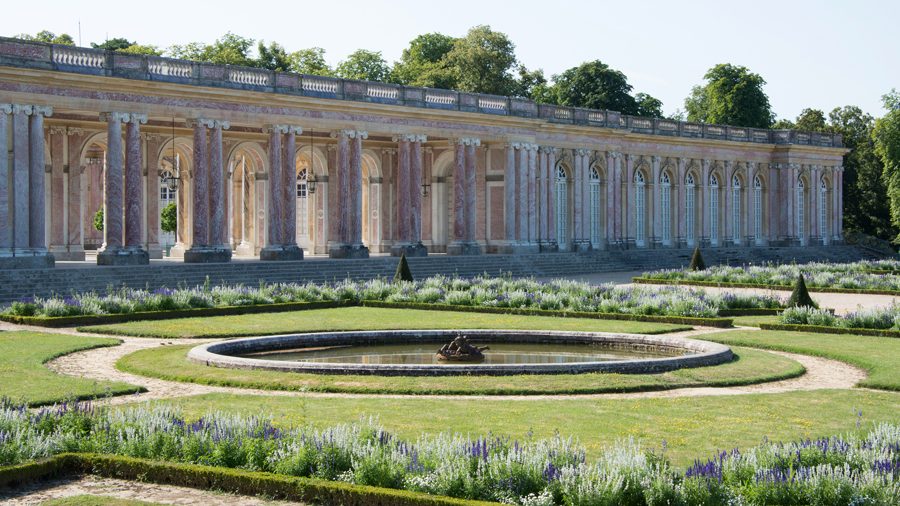
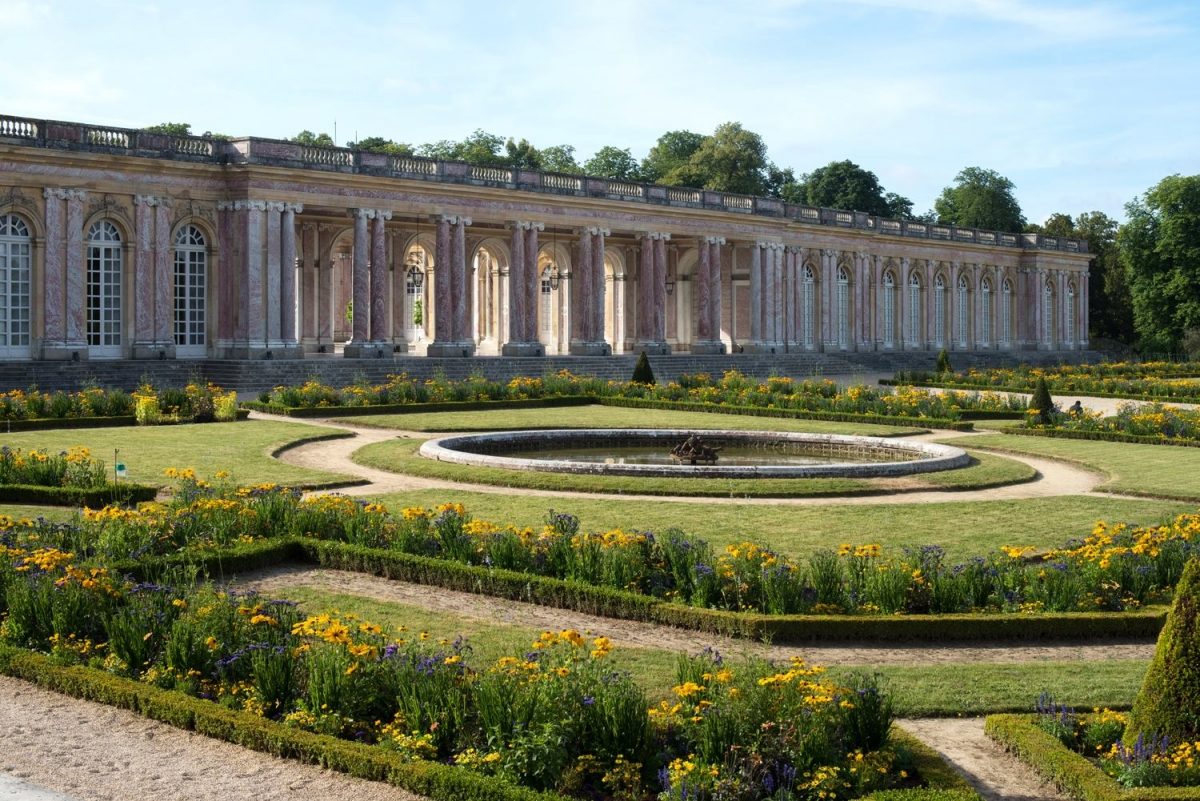
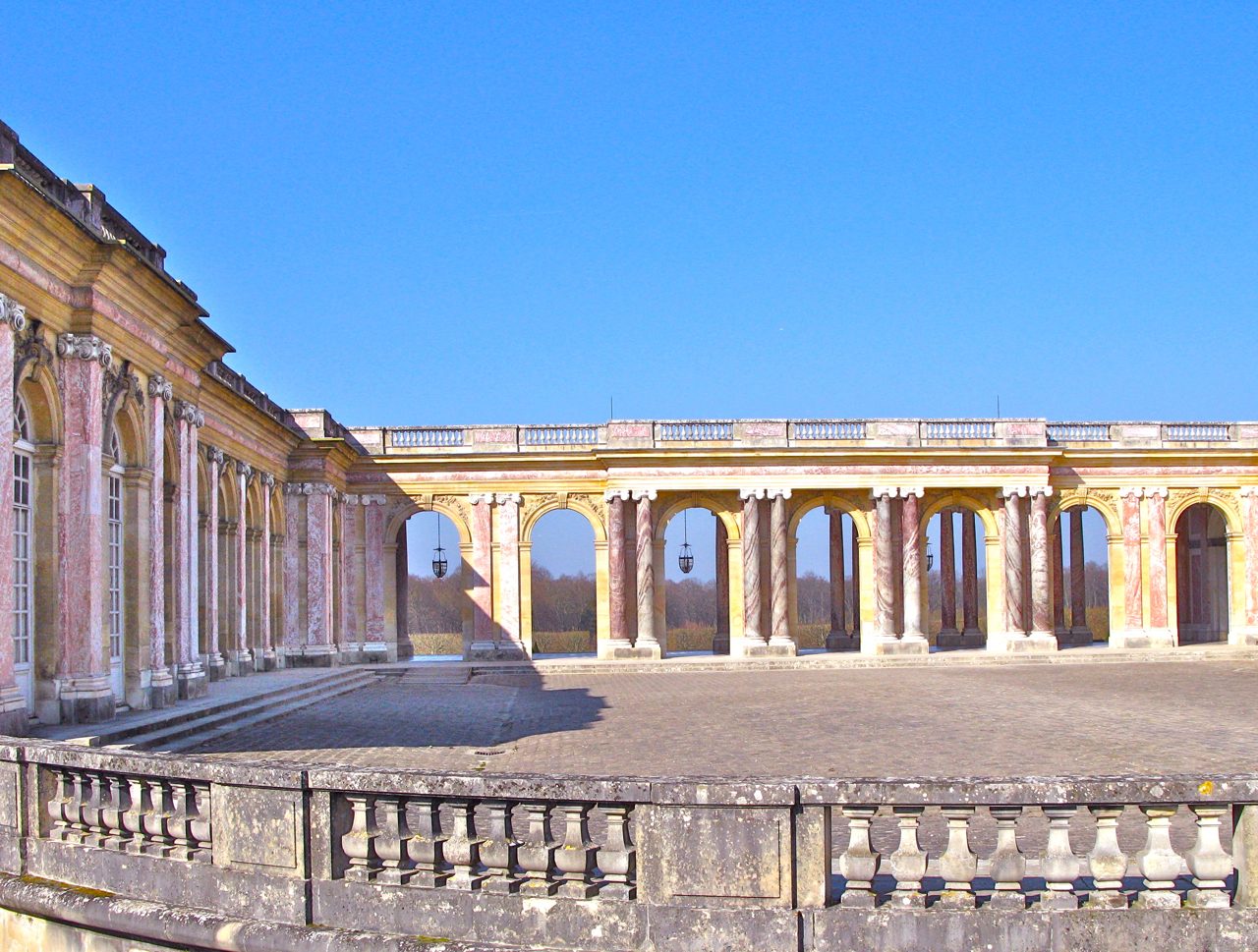
A single-story pink-marble palace built in 1687 as a private retreat for Louis XIV away from court formality. Its peristyle colonnade opens directly onto flower gardens.
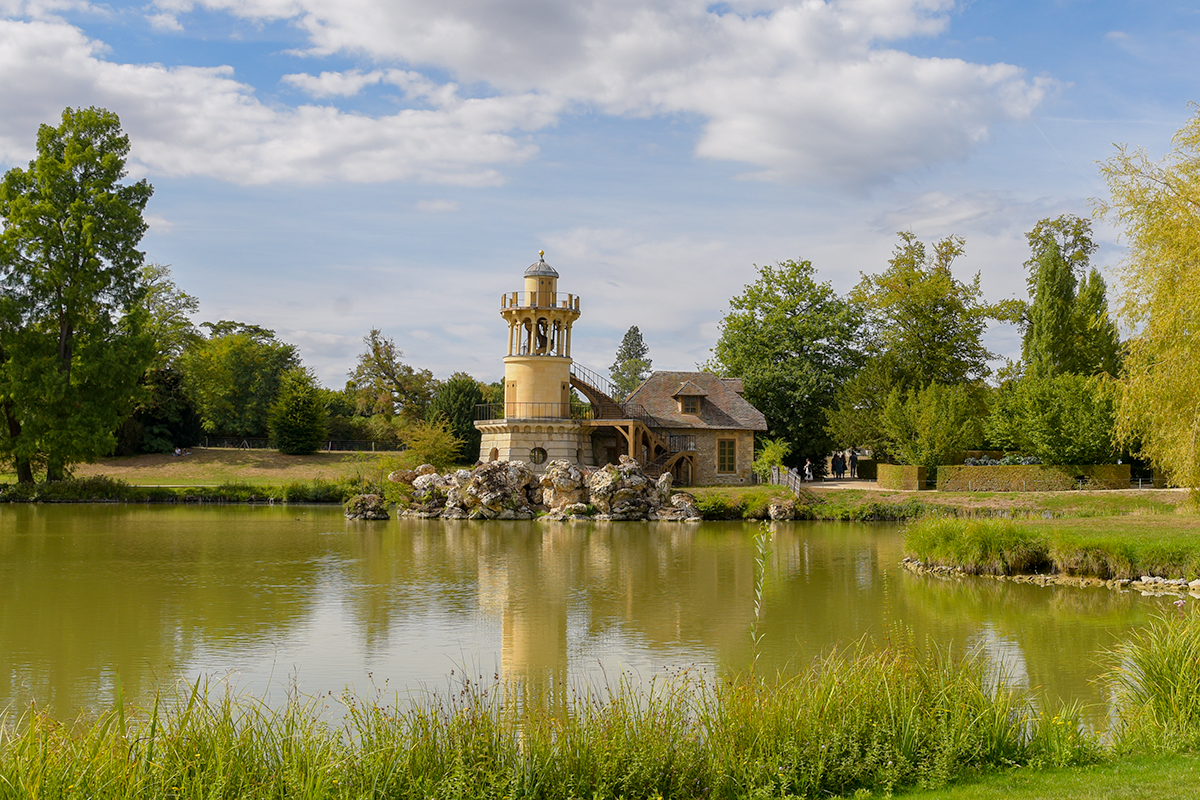
A rustic hamlet with a working farm and thatched cottages built in the 1780s for the queen's private amusement. It includes a mill, dairy, and an ornamental lake used for boating.
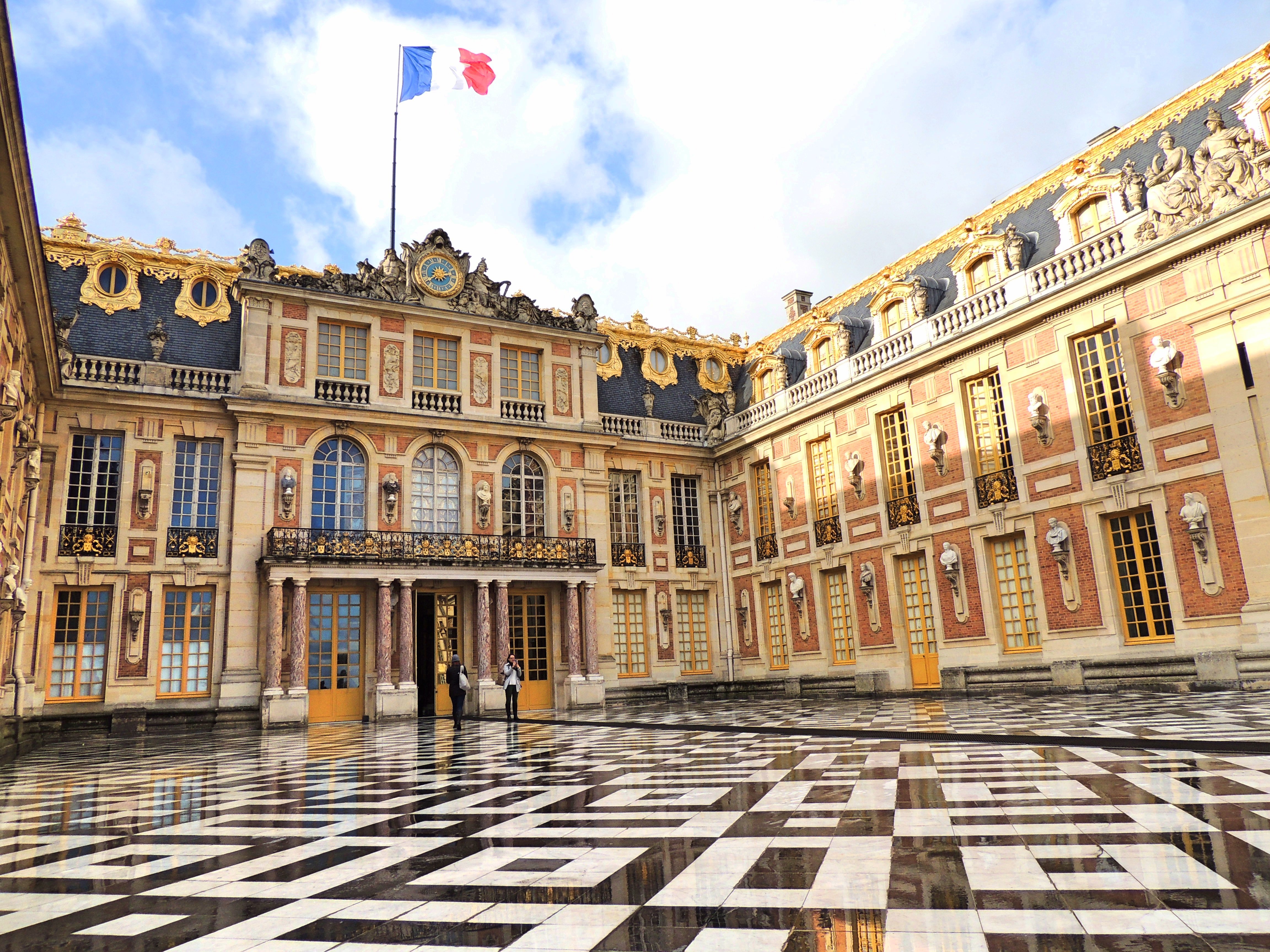
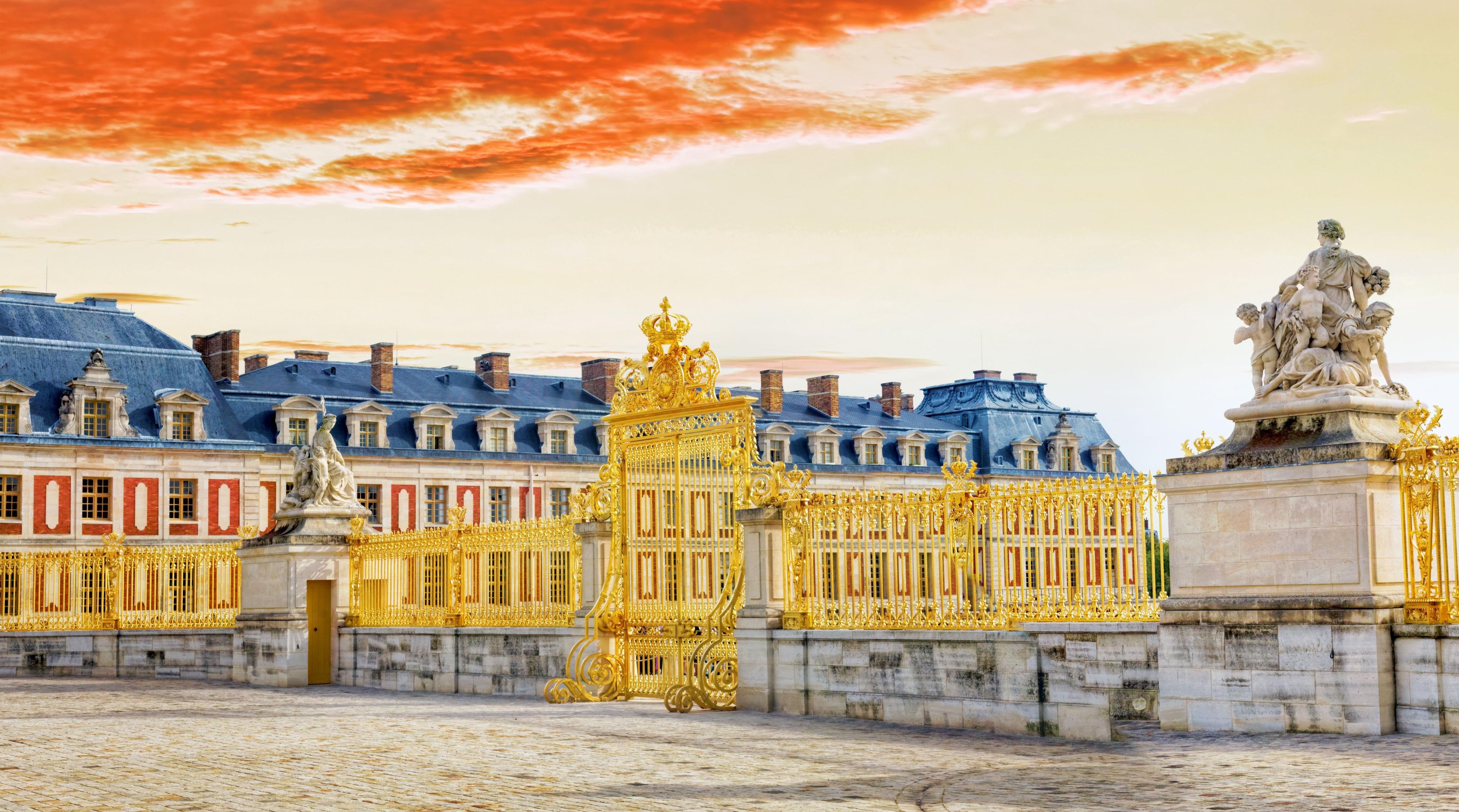
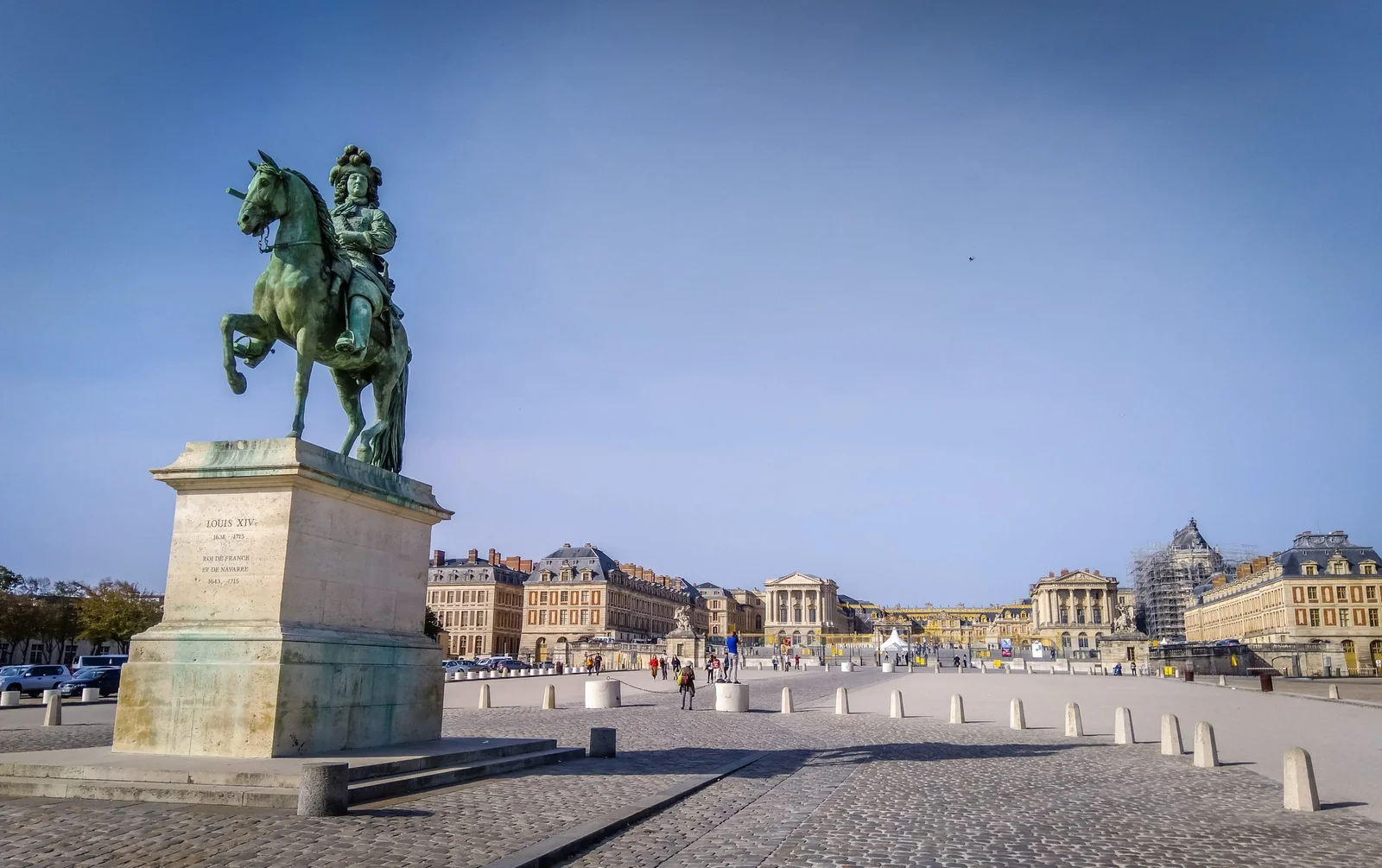
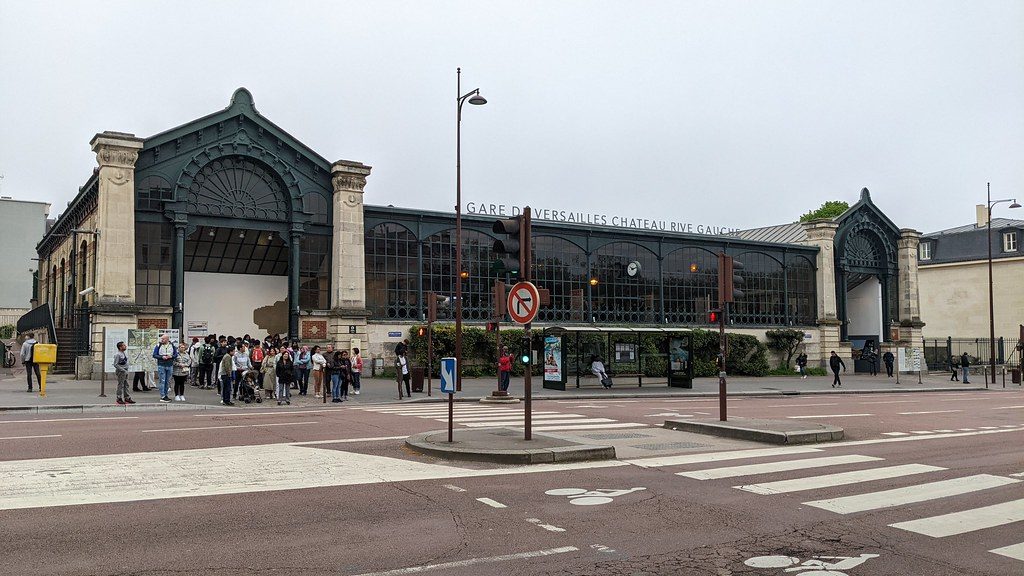
You step off the RER at Versailles-Château-Rive-Gauche and follow cobblestones five minutes to Place d'Armes, where the golden gates open onto the Marble Court—the original hunting lodge core now dwarfed by flanking wings.
Security clears you through the north entrance; you climb the Queen's Staircase, its marble balustrade cool under your palm, emerging into the State Apartments where crimson damask and gilded moldings frame every doorway.
You pause in the Hall of Mirrors. September light refracts across 357 panes, casting geometric patterns on the parquet Louis XIV's courtiers danced across. Through arched windows, Le Nôtre's gardens unfold in radial axes—green parterres stitched with gravel paths leading to the Latona Fountain. You descend the south steps and walk the Royal Path, passing clipped yew hedges and bronze Apollo rising from his chariot in the central basin. The Grand Canal stretches a kilometre west, mirroring clouds.
You veer left toward Marie-Antoinette's Estate, a ten-minute walk through groves where hornbeam walls enclose hidden clearings. The Petit Trianon rises ahead, neoclassical and compact—twelve rooms the queen furnished herself. Beyond it, the mock hamlet: thatched cottages circling a mill pond where she played at rustic life while revolution gathered in Paris. You check the time—three hours gone—and retrace your steps as afternoon shadows lengthen across the parterres.
All the details about your upcoming adventure in one place
A tour to Versailles from Paris transports you 20 kilometers southwest to the former royal residence of Louis XIV, featuring the Hall of Mirrors, State Apartments, and 800 hectares of formal gardens designed by André Le Nôtre. Most tour to versailles from paris tours include skip-the-line palace access and roundtrip transportation, with options for guided walks through the Trianon estates. The château welcomed over 8 million visitors in 2025, making advance entry essential during peak season.
Louis XIV moved his court to Versailles in 1682, transforming a hunting lodge into a 700-room palace that housed 20,000 courtiers, servants, and soldiers at its peak.
The Sun King's architect, Jules Hardouin-Mansart, expanded the original structure into a sprawling complex stretching 680 metres across the western horizon, its symmetry echoing the absolute monarchy that demanded every noble's presence. The Hall of Mirrors alone consumed 357 mirrors—an extravagance that bankrupted the royal glassworks—and channeled natural light across 73 metres of parquet floors where treaties were signed and empires brokered. André Le Nôtre's gardens, engineered over four decades, required 250 acres of topsoil hauled from distant valleys to support 200,000 trees and a hydraulic network that pumped water from the Seine through 35 kilometres of lead pipe.
Today, Versailles receives eight million visitors annually, making it France's second-most-visited monument after the Eiffel Tower. A trip to Versailles from Paris reveals not only the gilded apartments where Marie-Antoinette played shepherdess in a mock hamlet, but also the political machinery of pre-revolutionary France: the King's Grand Apartment, where ministers gathered for weekly councils, and the Royal Chapel, where daily Mass reinforced divine right. The estate's scale demands prioritization—most tour to Versailles from Paris options focus on the State Apartments, the Hall of Mirrors, and a curated portion of the gardens, leaving the Grand Trianon and Marie-Antoinette's Estate for return visits.
The palace opens Tuesday through Sunday at 09:00, closed Mondays. Arriving between 09:00 and 10:30 avoids the midday surge when coach tours converge from central Paris. The 21-euro palace ticket grants access to the State Apartments, temporary exhibitions, and the gardens on non-Musical Fountain days; guided tour to Versailles from Paris packages often bundle skip-the-line entry with expert commentary on the Baroque ceiling frescoes and the political symbolism embedded in Le Brun's painted allegories. The RER C train from Gare d'Austerlitz reaches Versailles-Château-Rive-Gauche in 38 minutes, depositing travelers a five-minute walk from Place d'Armes, where the palace's golden gates frame the courtyard Henri IV once rode through on horseback.
Architectural historians note Versailles codified French Baroque—rigid symmetry, classical orders, and theatrical scale—that influenced palaces from Schönbrunn to Peterhof. The Orangerie shelters 1,200 citrus trees each winter, a tradition unbroken since 1686. The Grand Canal, dug by 30,000 laborers, hosted Venetian gondolas and mock naval battles staged for visiting dignitaries. Best tour to Versailles from Paris experiences pair the palace interior with at least 90 minutes in the gardens, where the geometry of parterres and bosquets reveals the Enlightenment's obsession with order imposed on nature.

Louis XIV's 700-room palace housed 20,000 courtiers at its peak, a city unto itself.
There is no strict dress code for visiting the Palace of Versailles, though comfortable walking shoes are strongly advised given the size of the estate and gardens. Modest, casual attire is fine; swimwear or bare feet are discouraged in the State Apartments.
All visitors pass through airport-style security screening with bag checks and metal detectors at the Palace entrance on Place d'Armes. Backpacks and bags are permitted but subject to inspection, and oversized luggage or suitcases are not allowed inside.
Personal, non-flash photography is permitted throughout the State Apartments, Hall of Mirrors, and gardens. Tripods, selfie sticks, and professional or commercial camera equipment require prior authorization from the Chateau de Versailles administration.
Children under 18 (EU residents) and under 6 (all visitors) enter free with valid ID or proof of age. Strollers are permitted in the gardens but must be folded inside the Palace's State Apartments.
The Palace offers step-free access via ramps and elevators to the main State Apartments, and wheelchairs are available on loan at the entrance on a first-come basis. Visitors with disabilities and one companion are granted priority access, bypassing the main queue at the Palace entrance.
Food and drink, including picnics, are not permitted inside the State Apartments or galleries of the Palace. Bottled water is allowed throughout the estate, and picnicking is only tolerated in designated open areas of the gardens, away from formal parterres.
Weekly closure day
Quietest weekday
Busier, weekend crowds
Family visitors, moderate crowds
Hours
Tue–Sun 09:00–18:30, closed Mondays
Address
Place d'Armes, 78000 Versailles, France
Access
Wheelchair-accessible routes in Palace and gardens
Best light
Morning sun on the Marble Courtyard facade
Bag policy
Small bags only, no large suitcases inside
Getting there
RER C to Versailles Chateau Rive Gauche station
Public transport · 35-45 min · Around 4 EUR one-way with a standard RATP ticket
Take RER C to Versailles Chateau Rive Gauche station, then walk about 10 minutes to Place d'Armes. Trains run frequently from central Paris stations including Saint-Michel and Invalides.
Car · 30-45 min depending on traffic · Parking roughly 6-10 EUR
Drive via the A13 motorway from Paris, following signs toward Versailles Chateau; paid parking is available near Place d'Armes.
Taxi · 30-40 min · Around 40-60 EUR one-way
Taxis and ride-hailing services depart from central Paris directly to the Palace gates, avoiding transfers.
Bike · 60-75 min · Free aside from bike rental
Cyclists can follow dedicated paths along the Seine and through Viroflay toward Versailles.
Palace tickets booked with a timed entry slot can typically be cancelled or exchanged up to 24 hours before the visit date for a full refund. The 21 EUR adult ticket is generally non-refundable once the entry window has passed or been used.
Recommended time
Half a day (4-6 hours)
A half-day tour to Versailles from Paris covers the State Apartments, the Hall of Mirrors, and a walk through the nearest palace gardens, and most travelers budget 4 to 6 hours door to door once you count RER transit each way. Arriving in the 09:00-10:30 window matters most for the security line and ticket scan, since that queue reality shifts fastest right after opening before tour buses unload mid-morning. Add an hour if you want the Trianon estate or a longer garden loop, and subtract time only if you book skip-the-line Versailles entry and stick to the main palace rooms. Travelers planning a return train before evening rush should aim to exit the palace by early afternoon.
Crowd levels through the day
Weather · crowds · average price — dots go green to amber to red as each metric rises.
April to June brings mild temperatures around 15-20C and blooming gardens, though weekends draw large crowds. Weekday mornings are calmer before the tour bus arrivals.
July and August are the busiest months, with temperatures near 25-28C and long queues at the Palace entrance. The Musical Fountains Shows run on select summer weekends, adding festive crowds to the gardens.
September and October offer cooler air near 15-18C and thinner crowds, making it a favorable stretch for a tour to versailles from paris outside peak season. Fall foliage in the gardens adds color through late October.
November through February is coldest, often 3-8C, with the shortest lines and a quieter atmosphere inside the State Apartments. Some outdoor fountain features are inactive during these months.
Reserve a dated Palace ticket online in advance to secure a skip-the-line slot and avoid the main queue at Place d'Armes.
The Palace is closed every Monday, so confirm your tour to versailles from paris tickets are dated for a Tuesday through Sunday visit.
Security screening moves faster without large bags, so bring only a small daypack through the entrance checkpoint.
The estate's gravel paths and garden distances call for comfortable, closed-toe footwear rather than sandals.
The Notre-Dame Market near town operates on select mornings and pairs well with a Palace visit for local color.
Boarding at Versailles Chateau Rive Gauche puts you closest to the Palace gates compared to other Versailles stations.
Some Place d'Armes area parking machines still prefer coins or card only, so check before driving in.
Place d'Armes, 78000 Versailles, France
Main forecourt facing the Palace gates, common tour meeting spot
Get directions
Avenue du General de Gaulle, 78000 Versailles
RER C terminus, 10-minute walk to the Palace
Get directionsIn 1623, Louis XIII commissioned a modest hunting lodge on marshland twenty kilometers southwest of Paris, seeking refuge from court life. His son Louis XIV transformed this retreat into Europe's most ambitious palace beginning in 1661, hiring architect Louis Le Vau, landscape designer André Le Noir, and painter Charles Le Brun. The Sun King relocated the entire French court here in 1682, housing ten thousand aristocrats and servants within expanding wings that stretched over eight hundred meters. Construction continued for fifty years, draining state coffers and requiring armies of laborers who drained swamps and hauled marble from Italian quarries. The Hall of Mirrors, completed in 1684, became the ceremonial heart where Louis XIV received foreign ambassadors beneath seventeen arched windows reflecting candlelight across three hundred fifty-seven mirrors. This gallery witnessed both triumph and humiliation: the proclamation of the German Empire in 1871 after France's defeat, then the signing of the Treaty of Versailles in 1919 that formally ended World War I. Delegates from thirty-two nations gathered in the same room where Bismarck had crowned Wilhelm I, imposing terms that redrew European borders and planted seeds for future conflict. The French Revolution forced Louis XVI and Marie Antoinette from Versailles in October 1789 when seven thousand Parisian women marched on the palace demanding bread. The royal family never returned, and revolutionaries looted furnishings while debating whether to demolish the symbol of absolute monarchy. King Louis-Philippe saved the complex in 1837 by converting it into a museum dedicated to French history, a purpose it maintains today. UNESCO designated Versailles a World Heritage Site in 1979, recognizing both architectural achievement and historical significance. Modern visitors on a tour to Versailles from Paris walk the same Galerie des Glaces where empires rose and fell, while seventeen million annual guests make it France's second most-visited monument after the Eiffel Tower.
Louis XIII builds a small hunting lodge on marshland outside Paris.
Louis XIV launches massive expansion, hiring Le Vau, Le Brun, and Le Nôtre to create Europe's grandest palace.
Hall of Mirrors completed with 357 mirrors reflecting arched windows across seventy-three meters.
Louis XIV moves the French court permanently to Versailles, housing ten thousand people.
Revolutionary crowds force Louis XVI and Marie Antoinette to abandon Versailles forever.
German Empire proclaimed in Hall of Mirrors after defeating France in Franco-Prussian War.
Treaty of Versailles signed in Hall of Mirrors, ending World War I and redrawing European borders.
UNESCO grants World Heritage Site status recognizing architectural and historical importance.
The Galerie des Glaces stretches down one side of the palace with seventeen mirrored arcades facing the garden windows, and the classic shot is a straight-on view down the corridor from either end catching the chandeliers and gilded ceiling in one line. Stand near the Salon de la Guerre entrance for the longest unobstructed sightline.
From the terrace behind the Latona Fountain, the formal gardens open onto a dead-straight axis running through the Tapis Vert lawn to the Grand Canal on the horizon, a view many guides on a private tour to Versailles from Paris point out as the estate's signature composition. Shoot from the raised terrace edge just west of the fountain basin for maximum depth.
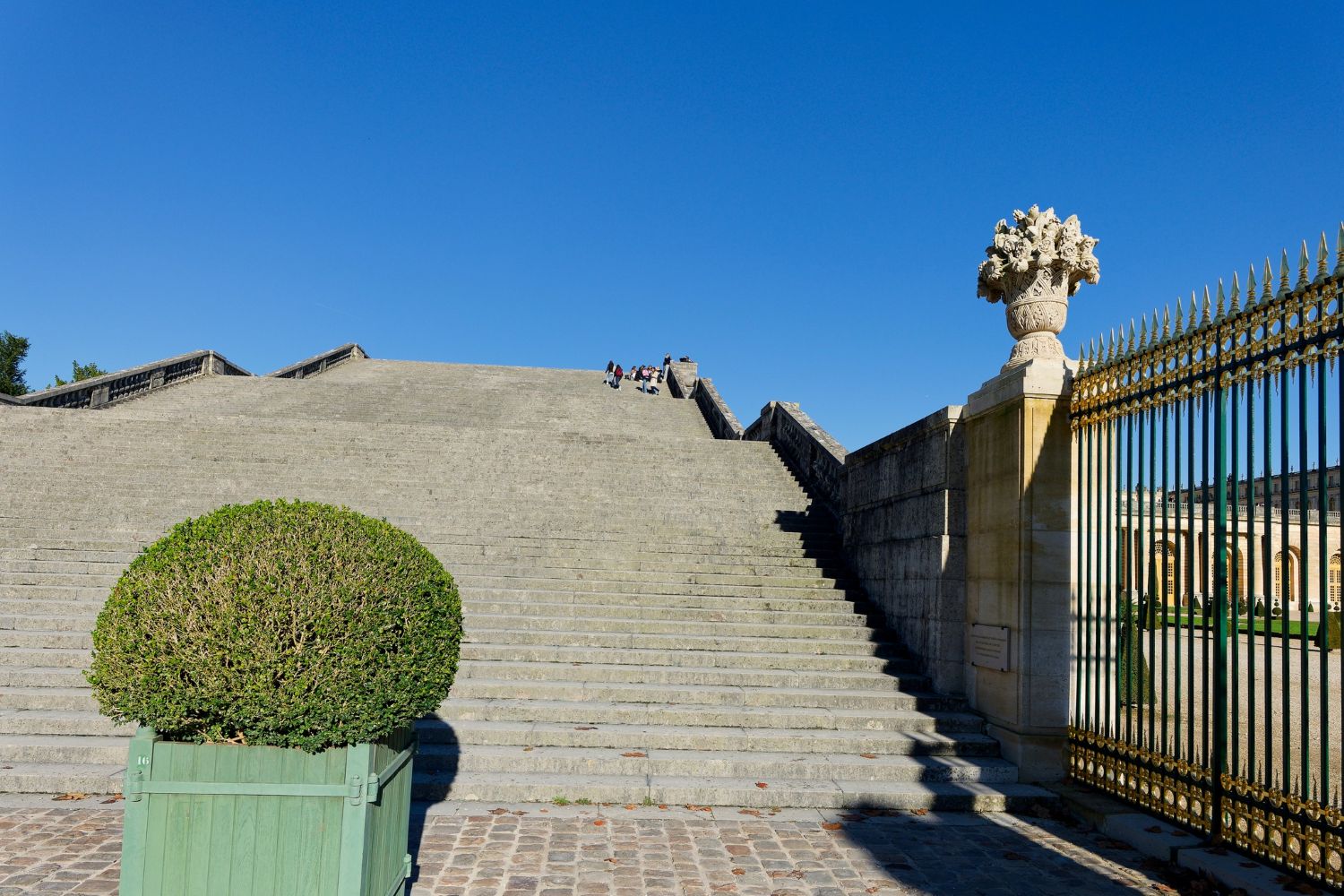
Two curved stone stairways sweep down from the South Parterre to the Orangerie garden below, giving a strong symmetrical frame with the palace's south wing visible above. Position centrally at the top balustrade to capture both staircases fanning outward.
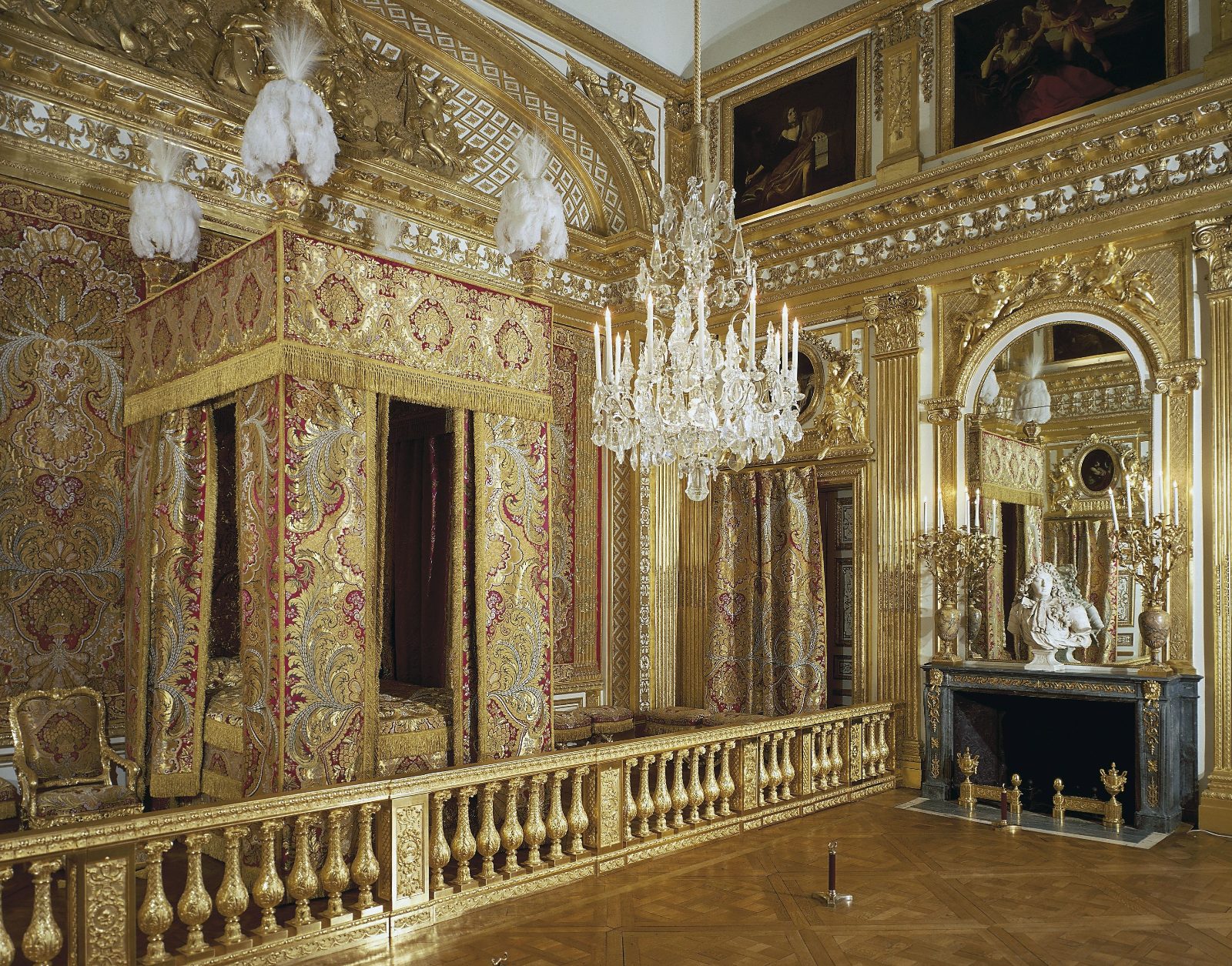
The Chambre du Roi sits at the exact center of the palace facing the gardens, framed by an ornate gilt balustrade and a richly upholstered bed beneath a painted ceiling. Shoot from just behind the balustrade rail, the only vantage point allowed.
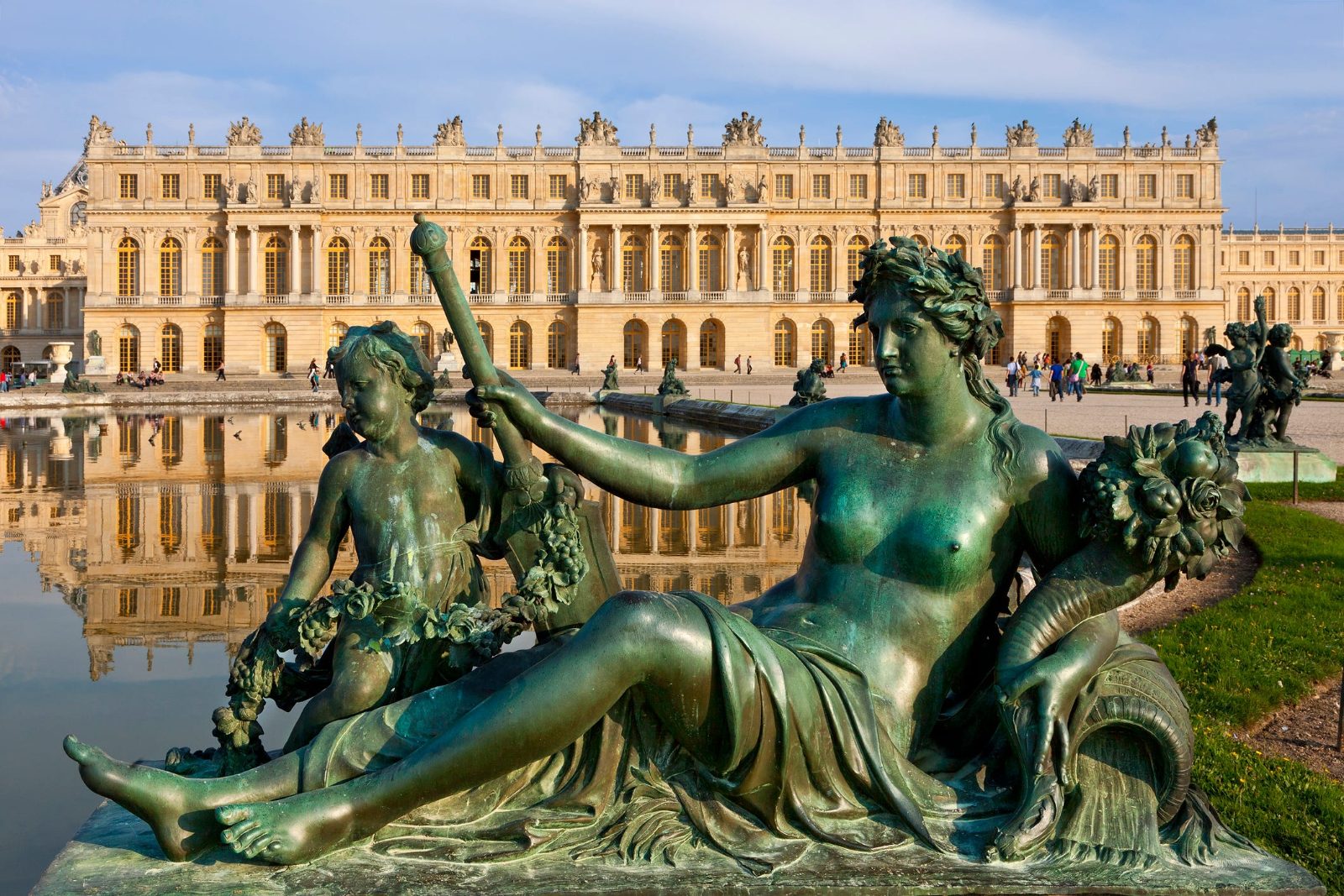
The two flat reflecting pools on the garden-facing terrace mirror the palace facade directly behind them, best captured by kneeling near the pool's edge on the central terrace. This spot works for both wide facade shots and tighter reflection close-ups.
A family guided tour to Versailles from Paris means covering serious ground, since the Palace and Gardens together span an estate far larger than most children expect from a single day trip. Pacing matters more than sightseeing ambition here, especially with younger kids in tow.
Strollers are allowed in the Gardens and on paved paths but not inside the Palace state apartments, where you will need to fold and carry or use a baby carrier instead. Check strollers at the designated area near the entrance if you plan to focus on the interior first.
Children aged 6 and up generally handle the walking distances and room-to-room pacing better than toddlers, who tire quickly on the long gallery routes. For younger kids, plan the Gardens as the main event and treat the Palace rooms as a shorter add-on.
Baby-change facilities and family restrooms are available near the main visitor entrance and at points around the Gardens, so locate these early rather than mid-visit. Water fountains are scattered through the Gardens, useful for refilling bottles during a long walking day.
Split the visit into two manageable chunks: Palace interiors first thing, then the Gardens afterward, since backtracking with tired children adds unnecessary distance. Budget extra time simply for walking between the Palace and garden features, as distances here are larger than a typical Paris landmark visit.
The Palace's covered galleries make a solid fallback if weather turns, letting you shift outdoor Garden time to the interior rooms without losing the day. Keep a stroller cover or light rain layer handy since Garden paths offer little shelter.
Anyone booking a tour to versailles from paris should know the estate has on-site cafés and sit-down spots, so a full palace and gardens tour tickets day does not require leaving the grounds for lunch, though the town of Versailles offers more budget bistro streets a short walk from Place d'Armes.
Alain Ducasse-run restaurant with a Place d'Armes view, best for a proper lunch before or after touring; booking ahead is wise since tables are limited
Known for its hot chocolate and pastries near the Chapel, good for a quick seated break between wings without leaving the building
Traditional brasserie fare by the Grand Canal, a natural stop if wandering the gardens tour to versailles from paris tour route on foot or by boat rental
Italian-Mediterranean menu near the Grand Canal, casual enough for families needing a sit-down midday meal
Several cafés and bakeries line Rue de la Paroisse and nearby streets, useful for cheaper sandwiches or coffee before entering.
Real experiences from real travelers
Our tour to Versailles from Paris departed early and we had priority access through the main entrance. The Hall of Mirrors was less crowded than expected. Our guide explained the Sun King symbolism throughout the state apartments. The gardens required a full hour to appreciate properly.
The coach from Paris was comfortable and the guide provided historical context during the 45-minute drive. We spent three hours exploring the palace rooms and another two in the gardens. The fountain shows were operating that afternoon. Skip-the-line access saved considerable time.
Taking a Versailles excursion allowed us to see the estate without navigating French rail connections. The sheer size of the palace surprised us. The Royal Opera and chapel were highlights. Gardens extend far beyond what we could cover in one visit.
Our Paris to Versailles tour tickets included the Trianon palaces which were quieter than the main chateau. The Hall of Mirrors had dense foot traffic by midday. Audio guides were available in multiple languages. The estate cafes were overpriced.
The baroque architecture and gilded decorations throughout the state rooms were more elaborate than photographs suggest. Our guide pointed out details in the ceiling frescoes we would have missed. The formal gardens demonstrate French landscape design principles. Transport from Paris was seamless.
A full-day tour to Versailles from Paris gave us time to explore both the palace interiors and the sprawling gardens without rushing. The King's Grand Apartments retain original furnishings. We walked to Marie Antoinette's estate in the afternoon. Well worth the early start.
The palace served as the royal court for over a century and the opulence reflects that power. Our tour to Versailles from Paris tours included entry to the Royal Chapel where we saw the organ. The parquet floors in the Hall of Mirrors are original 17th-century craftsmanship. Gardens were just beginning spring bloom.
Organized transport eliminated the stress of independent travel. We arrived before the main crowds and had clear views in the mirrored gallery. The guide explained treaty signings that occurred in these rooms. Versailles fountains operate on weekend afternoons during summer months.
The symmetry and scale of Versailles demonstrate absolute monarchy at its peak. Our guide tour from Paris provided context about court life under Louis XIV. The gilt bronze details and marble work throughout the apartments required skilled craftsmen. Gardens follow geometric patterns visible from upper windows.
Having visited many European palaces, Versailles remains the most elaborate. The tour to Versailles from paris ticket included access to temporary exhibitions in the south wing. Ceiling paintings by Charles Le Brun depict classical mythology. The estate encompasses nearly 2000 acres of designed landscape.
Everything you need to know for your journey
The Palace of Versailles is open Tuesday through Sunday from 09:00 to 18:30 and closed every Monday, which is worth checking before booking a tour to versailles from paris.
Yes, the Palace provides ramps and elevators to the main State Apartments, and visitors with disabilities receive priority access at the entrance.
Bags pass through metal detectors and visual inspection at the Place d'Armes entrance; large suitcases and sharp objects are not permitted.
Personal non-flash photography is allowed throughout the State Apartments and Hall of Mirrors, though tripods need prior authorization.
Weekday mornings in September and October, arriving between 09:00 and 10:30, tend to have the smallest crowds before tour buses arrive on this chateau versailles tour.
There is no formal dress code, though comfortable shoes are recommended given the size of the palace and its gardens.
Food and picnics are not allowed inside the State Apartments, though bottled water is fine and picnicking is tolerated in open garden areas.
The RER C train runs directly from central Paris to Versailles Chateau Rive Gauche station, about a 35-45 minute ride followed by a short walk to the Palace.
Yes, children under 18 from the EU and under 6 from anywhere enter free with ID, making it a practical Paris landmarks outing for families.
Timed tickets can generally be cancelled or exchanged up to 24 hours before the visit date for a full refund on the 21 EUR adult ticket.
The Grand Trianon and Marie-Antoinette's Estate sit within a short walk of the main Palace and pair naturally with a skip-the-line Versailles visit.
The Palace closes every Monday along with major holidays including Jan 1, May 1, and Dec 25.
A rustic hamlet and gardens built for the queen's private retreat, set within the Trianon grounds. It includes a working farm-style village and ornamental lake.
A pink-marble retreat built for Louis XIV away from court formality. Its colonnaded galleries overlook a symmetrical garden.
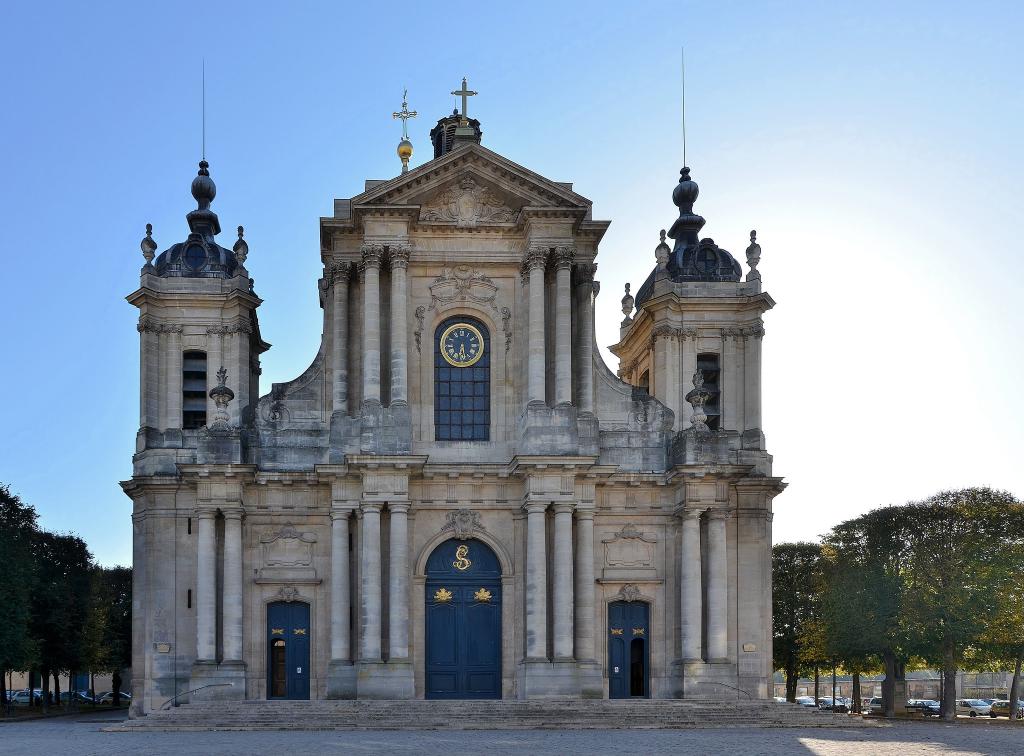
An 18th-century cathedral in the town center with a Neoclassical facade distinct from the Palace chapel.
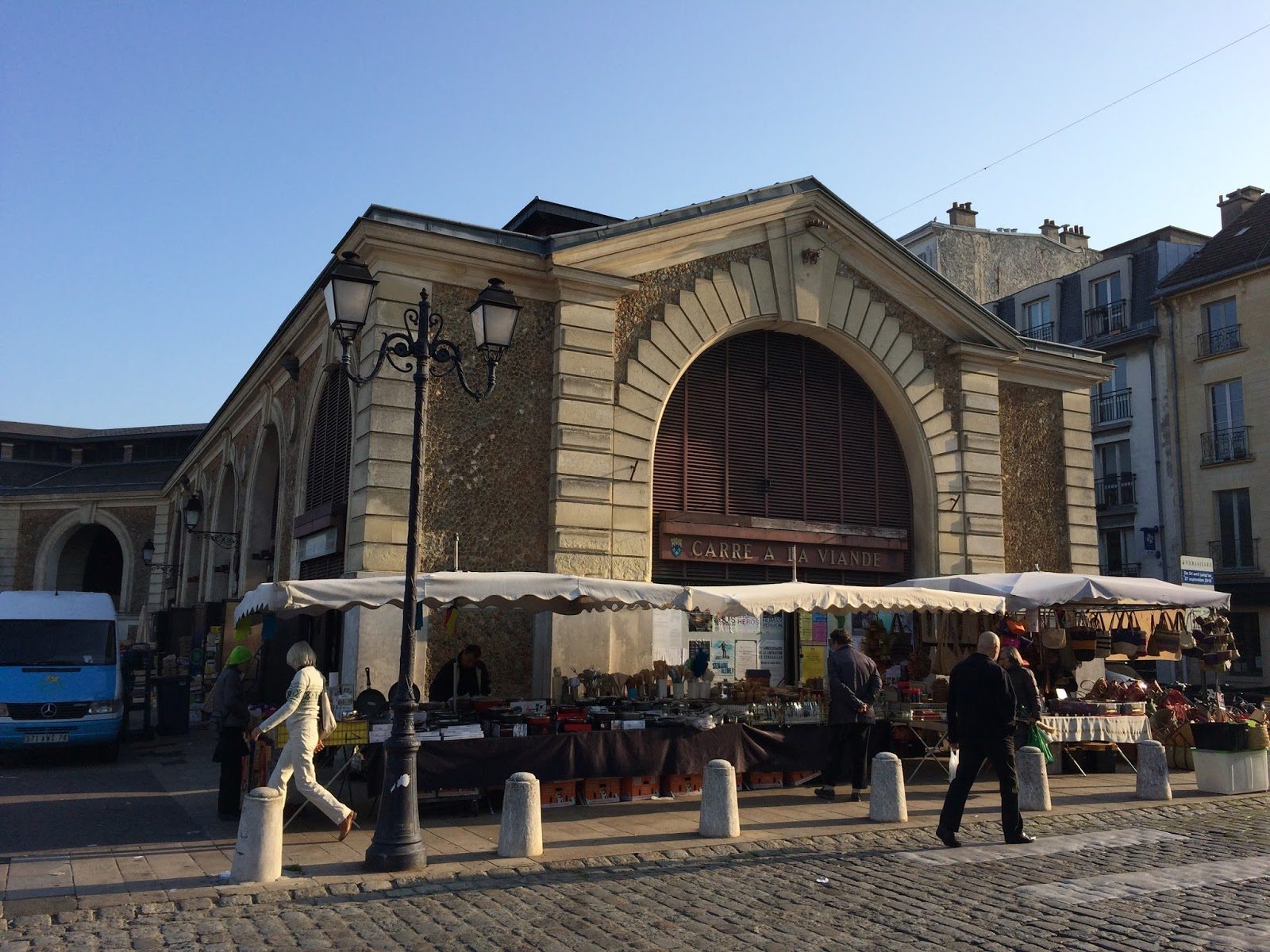
A historic covered market square dating to the 17th century, active with stalls several mornings a week.
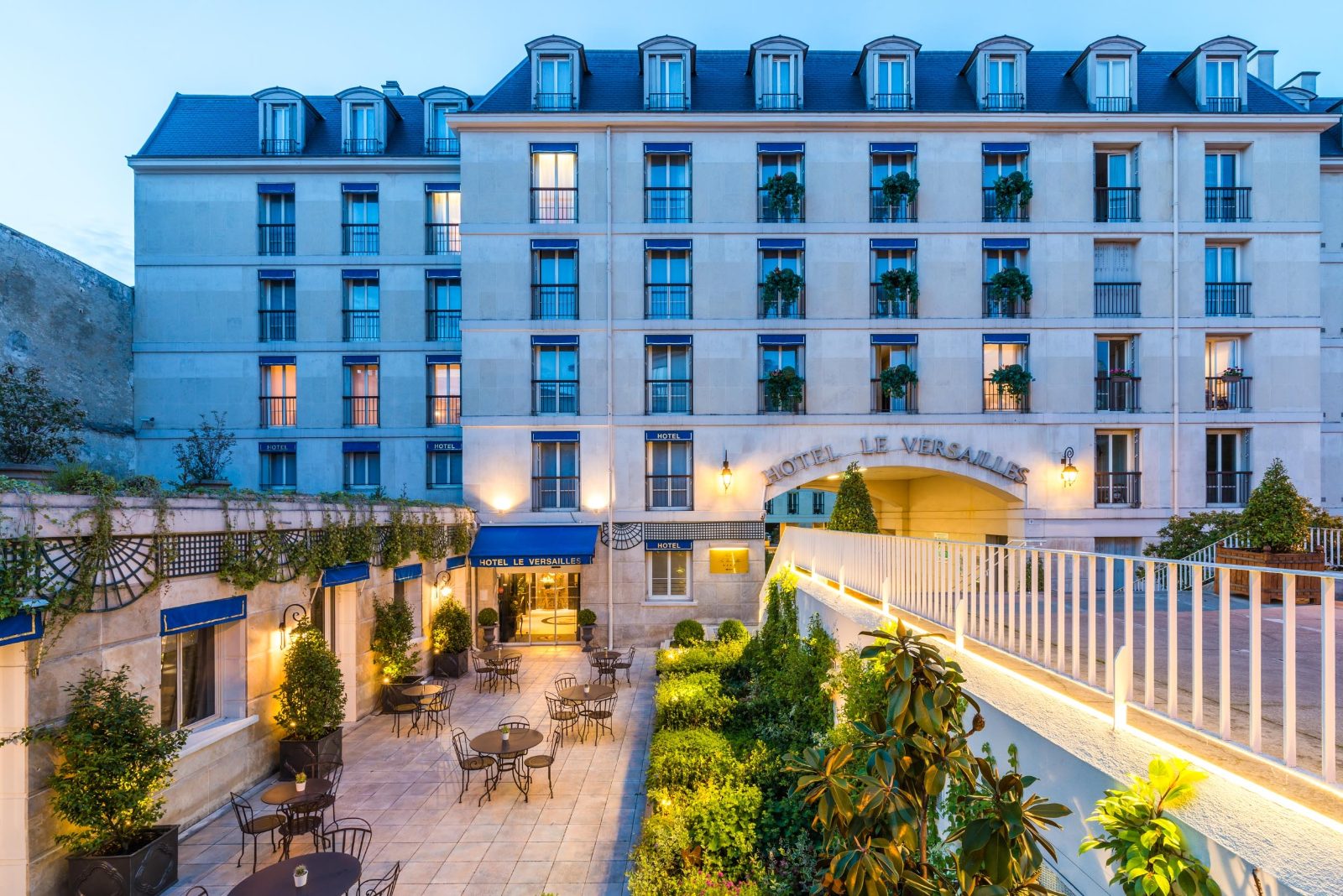
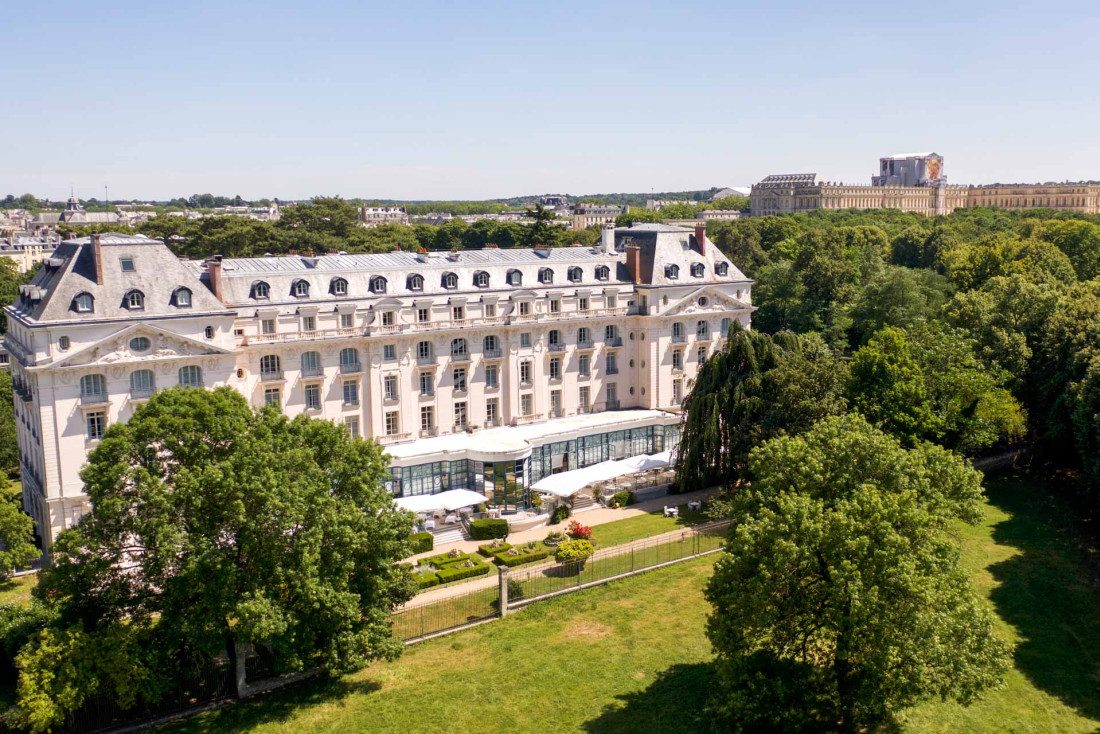
A grand hotel bordering the park with views toward the gardens.
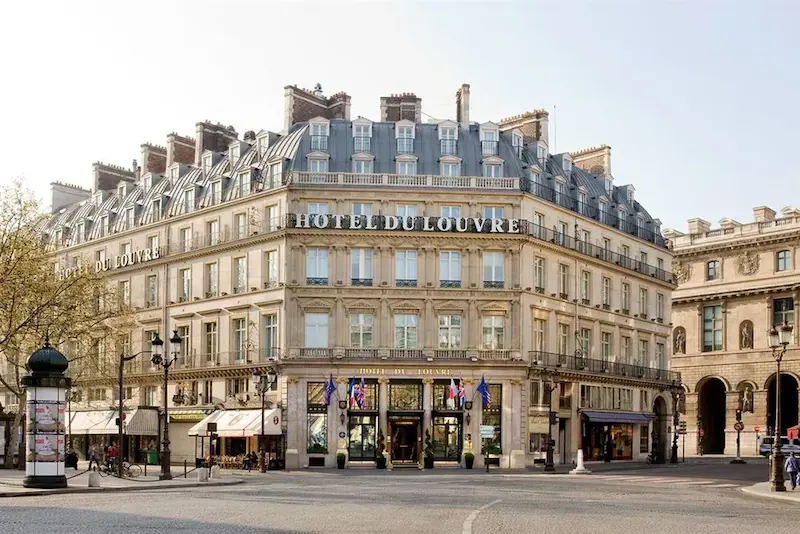
A cluster of boutique and mid-range hotels near the market and train station.
A modest hotel option a short walk from Place d'Armes.
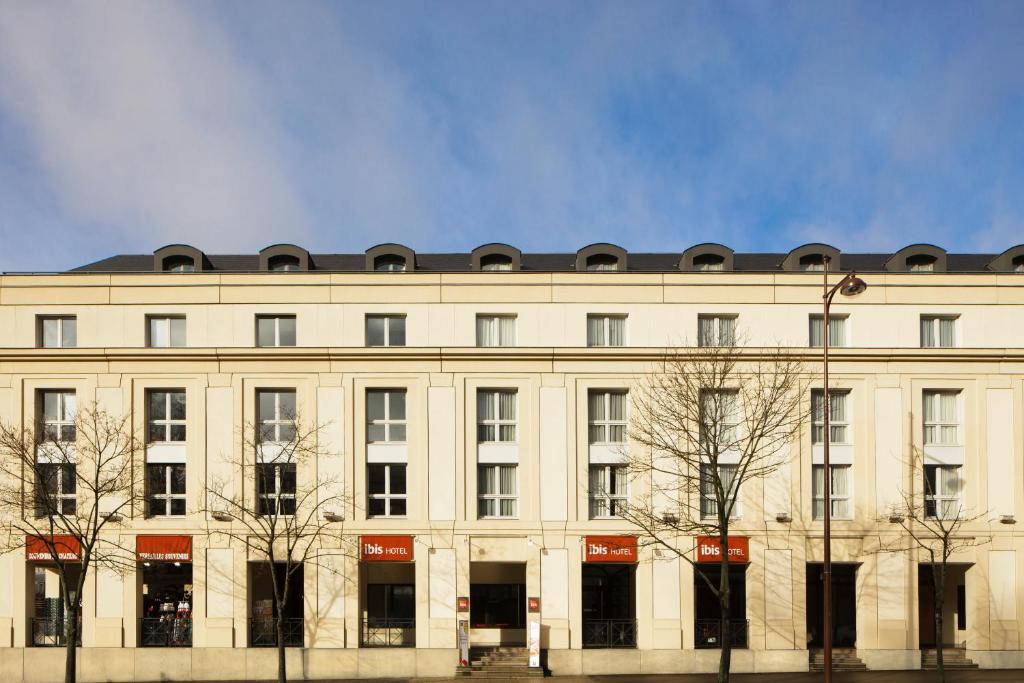
A budget chain hotel convenient for early Palace entry.
Join thousands of happy travelers who have discovered this incredible experience
Book Your Experience Now